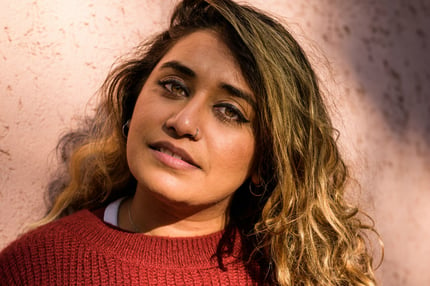
Mamamia has launched a new campaign called #ItWasInvisible to shine a light on the unseen stories and signs of financial abuse, along with finance and community partners.
This article contains references to domestic abuse and may be triggering for some readers. If you or someone you know is affected by domestic violence, please call 1800 RESPECT (1800 737 732).
The feature image used is a stock photo.
Women and violence: The hidden numbers. Post continues after video.
What are the invisible barriers?
According to Renata Field, media spokesperson for DVNSW (Domestic Violence New South Wales), there are a number of reasons people might not leave a violent situation.
“For a lot of people, staying in a violent relationship is actually safer than leaving,” Field toldMamamia.
And the research shows that the period immediately after leaving an abusive partner can be really dangerous.”
From her years of working in domestic violence services, Field has seen firsthand how victims are trapped into staying in an abusive relationship.
“One woman, she didn’t have access to any of the bank accounts her partner had set up,” Field said. “And this is very common that people will be given a certain amount of money each week to spend, and that’s not sufficient to actually leave the situation. It’s sufficient to maybe buy groceries for the week, but it’s not sufficient to get a hotel room or get extra petrol to leave the area.
“And this particular person, when she left and tried to sort out her finances, she found there were a large number of loans in her name that her partner had said ‘just sign this’ and she never knew exactly what it was. I’m talking up to eight different loans, of more than a million dollars. After she’d left… she didn’t have access to money. She had been a housewife for many years because her partner had been the breadwinner, and now she’s going through family court for so many challenges.”
The use of finances to keep victims trapped is alarmingly common. Of those Australians who seek support for intimate partner violence, up to 90 per cent are also affected by financial abuse.
“For many women, it takes many, many attempts before they can successfully leave. And often that will be because of finances,” Moo Baulch, Head of Customer Vulnerability at Commonwealth Bank, toldMamamia.
“Often people will go back because it is easier to go back to that situation and manage the violence and come up with another safety plan in terms of being financially stable and independent… and if there are kids involved as well, it can make it really complex.”
Baulch said financial abuse doesn’t necessarily look how we would expect. Traditionally, we might imagine an abuser taking their partner’s pay packet, but it’s often broader “awful, insidious” behaviour that’s focused on power and control.
“It might be stopping [a partner] accessing Centrelink benefits or childcare benefits, or refusing access to a bank account or a credit card. Or coercing them [into financial decisions] against their will… or ‘I want to see all your receipts for this week, I want you to keep a diary what you’re spending money on, and you need to justify every single expense to me.’
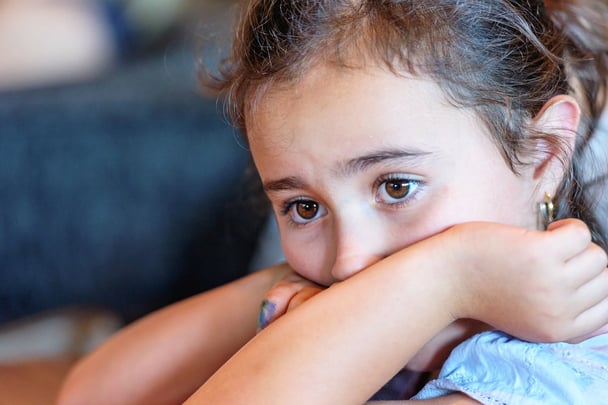
"If there are kids involved as well, it can make it really complex." Image: Getty.
"It might be stopping somebody from being able to pay bills, preventing access to resources from the outside, like a car or money for petrol."
Baulch said, at least initially, the control of finances can
"[They might say], 'I know you're not good with those sorts of things,' or sometimes there's a financial imbalance in an intimate partner relationship... and b
Does COVID-19 pose additional dangers?
In addition to the pre-existing barriers that stop victims from leaving abusive relationships, the global coronavirus pandemic can make it even harder.
"
Field also said with people confined to their homes more than usual, "
The increased pressures on employment and finances can also exacerbate existing problems, making the home a "melting pot" of violence or abuse.
Can you still get help?
It's important to acknowledge, however, that leaving an abusive situation to seek help is an acceptable reason to be outside the home, even in the midst of a pandemic.
"All the support services for domestic violence are open, and what’s important to know is that they’re safe as well. The operating has changed a little bit, to make sure people aren’t at risk of contracting coronavirus but they can still provide support to people. For example, women’s health centres are still open, so if people want to present there for counselling, they still can," said Field.
"But a lot of the services are being offered over the phone or remotely. So all of the helplines are open 24/7, and there’s been additional staff to those to make sure there’s enough people to answer what we expect to be a spike in calls, and I think it’s also important for people to know there’s additional temporary accommodation in hotels so people can be safely accommodated if they are experiencing domestic and family violence. And they won’t be forced into shared living situations and at risk of contracting coronavirus."
How do I help someone I know who might be a victim of domestic abuse?
Particularly at this time, it's crucial for us to look out for the safety and well being of our loved ones.
According to Field, the two most important things we can do if we suspect someone in our lives is experiencing abuse, is to listen and believe.
But listening and believing - and being a safe person to come to - is one of the most valuable roles we can play in helping victims.
If you want more information about how to be a better support person, 1800 RESPECT (1800 737 732) is also available to speak to people seeking advice about how to help. Field toldMamamiathe service has been given additional funding, so people don't need to worry that they're taking away resources by reaching out.
Now, more than ever, we need a broader understanding of 'invisible' forms of abuse and how they might prevent someone from leaving a dangerous situation. Inevitably, there will be stories in the media and in our own social networks of people who have suffered, perhaps even more so during the current pandemic, from domestic violence. Our immediate response needs to shift from the victim-blaming rhetoric of "why didn't she leave?" to "why did he hurt her?", and to bigger questions around what we, as a community, can do to help those caged in by barriers that might be hidden from the outside.
The first step, however, is to shine a light on these realities, and to show victims that we can see them too.
Feature image: Getty.
Clare Stephens
Contributor
No Comments
Be the first to leave a comment