Great news! Pap smears are nearly finished! Starting December this year, the Australian government will be reducing the frequency of cervical cancer surveillance from every two years, to every five years.
The changes will transition the current protocol of two yearly Pap smear (for women 18-69) to a five yearly Human Papilloma Virus (HPV) test for women (ages 25-75). These changes reflect the rigorous and transparent investigation by the Medical Services Advisory Committee, which considered the external evidence and economic modelling.
So what do you need to know from December? Well, so long as all your paps have been normal and you don’t experience irregular vaginal bleeding or bleeding after sex, you’ll only require the (commonly dreaded) examination every five years.
And even better, the researchers have changed the ‘old school’ Papanicolaou smear aka ‘pap smear’ test to a much better and more sensitive test called ‘thin prep’. This liquid based cytology test is able to be performed even if there is blood in the sample, and if it finds HPV, it ‘genotypes’ the virus to find the particular strains that have a high risk of causing cervical cancer (namely HPV 16 and HPV 18).
It is still the same processes of having the duck bill/speculum inserted into your vagina. However, the new test is more sensitive for identifying those women at increased risk of developing cervical cancer. Make sure you ask your doctor about the changes and stay on top of things like pap smears and breast checks. Prevention is the best form of cure.

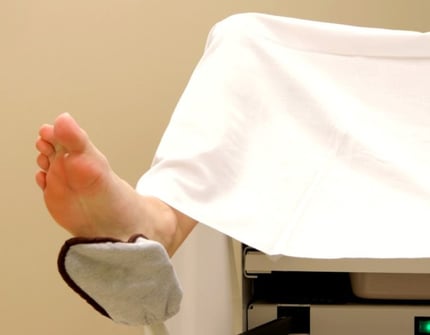
Make sure you ask your doctor about the changes and stay on top of things like pap smears and breast checks. (Image: iStock)
Key points to know about cervical cancer prevention
Listen: Dr Ginni Mansfield shares the things most people don't know about their body (post continues after audio...)
If you're feeling really nervous and awkward about the whole experience, here are some tips I’ve found useful over the years to make Pap smears as comfortable as possible:
1. Build rapport with your doctor. Seeing a regular GP will definitely evoke a sense of trust and help you to feel relaxed during a fairly invasive examination.
2. Ask for a chaperone! You are welcome to have a friend or the practice nurse come in and keep you distracted.
3. Take big breaths and wiggle your toes – distraction!
4. Put your fists under your bum. Imagine your pelvis to be pointing horizontal, but when you put your fists under your bum, it will point upwards and make it easier for the clinician to see through the vaginal tunnel and visualise your cervix.
5. If you really struggle having paps, talk to your doctor. There are many causes for ‘vaginismus’ and your GP can explore these with you.
If you have any questions regarding the new pap smear or your health in general, please consult your GP for medical advice.
Author
No Comments
Be the first to leave a comment