
I am constantly thinking about how to help my children reach their full potential, wondering if I am doing enough for them and providing them with the right opportunities. From the moment they were born I was concerned with educating them, stimulating their little brains in the right way and doing more to help them grow than the standard feeding, cleaning, blowing raspberries on their tummies.
Now that my kids are all school-aged, I can really see how beneficial many of our activities together have been and watching them grow and develop as people is so incredibly rewarding.
Here are four ways you can give your child a helping hand in life, regardless of their age and specific interests.
1. Shared Reading.
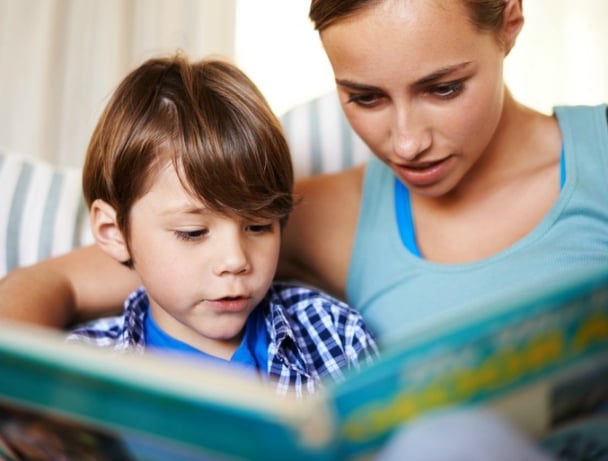
It’s a well-known fact that reading with our children is incredibly important and we’re encouraged to start sharing stories with our children from a very young age. Research shows that when parents read with their kids, thereby increasing the number of words they are exposed to, it can increase that child’s vocabulary by the age of three. The National Literacy Trust State of the Nation Report 2013-2014 outlined just how big an impact early exposure to reading and sharing stories can have on a child’s development.
Reading with your children, which includes talking about the pictures, asking questions and discussing the meaning of the story, from a young age also establishes a love of reading in children which can be of benefit to them for the rest of their lives, but in particular through their school years. Two out of three of my children have developed that love of reading. The other one, well, it depends on the book but I persevere because I know how important it can be.
Here are some great books to get you and your kids started. (Post continues after gallery)
2. Music.
Exploring music with young children can help them later in life. Studies have shown that children that are exposed to even simple things like singing and clapping develop a keen sense of rhythm, a skill that has been linked to mathematical ability. Not all parents are musically inclined and can find the idea of playing music to their children a little daunting. Never fear, there are lots of other options. Most public libraries offer Baby Rhymetime sessions where children under two are taught to sing songs, clap along and even play with percussion instruments. If you can’t find anything like that near you then you can put on a CD or the radio, play some music to your child and sing and clap along with them at home.
3. Libraries.
If you know how important things like reading and music are for your child but are unsure of where to start, you may want to consider a visit to your local library. Staff will be able to point you to some great books to get started with and some tips on engaging your child during the story.
The State Library of Queensland’s First 5 Forever initiative aims to remind everyone who spends time with babies and young children about the importance of reading, talking and playing, particularly in those early years. Research shows that up to 90% of a child’s brain development happens in the first five years. So sharing stories, singing, talking and playing with them before they start school is incredibly valuable. In fact, “in the first five years of life neurons in our brains form new connections at the astounding rate of 700-1000 per second – a pace that is not repeated again (Pi Britto — blogs.unicef.org).”
Babies learn best through interactions. All that time we spend on the floor with our babies talking, playing and reading is incredibly valuable. Public libraries have so many resources, not just books. They have community activities, story and rhyme time sessions and programs like First 5 Forever. Why not visit your local librar
Author
No Comments
Be the first to leave a comment