
We've all been there. Waiting months for hair to grow only to end up back at the hairdresser for a cut months later, with not much to show for it.
It's frustrating to say the least. Maybe you're spending a fortune on fancy shampoos. Maybe you've opted for a Wet Brush (smart move). Maybe you're only wearing ' protective hairstyles'.
There are a lot of reasons your hair might not be growing fast enough, but there's one that not many consider in this situation.
Watch: The fastest hairdryer Kelly has ever used. Post continues below.

If you've ever felt like your hair has hit a wall — not getting any longer no matter how many months go by — the problem probably isn't your growth rate. It could be a little-known factor called ' hair porosity', and almost nobody explains it properly.
Here's what to know.
What is hair porosity?
We spoke with Founder and Creative Director of Salon HER, Michael Kelly, to break down what this is, and how it could be impacting your hair growth journey.
As he explained, "Porosity doesn't determine how quickly hair grows from the scalp. That comes down to genetics, hormones, health and the natural growth cycle.
"Where porosity matters is length retention. If the hair is highly porous, dry and constantly breaking at the ends, it can feel as though it isn't growing when it actually is. The growth is happening; you're just not keeping the length."
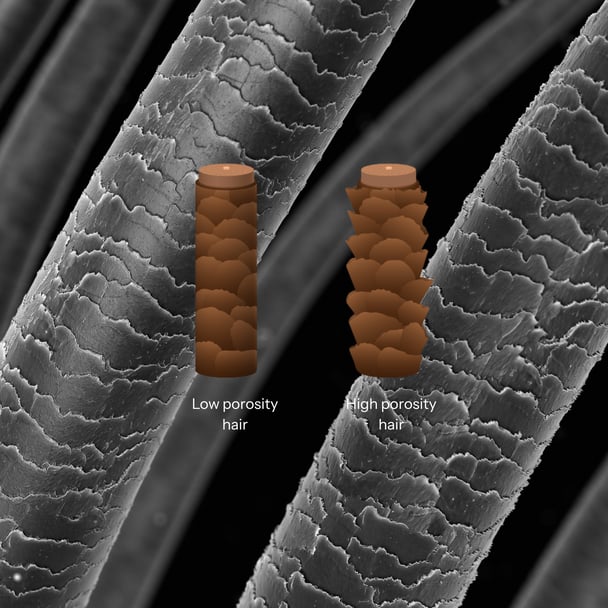
Think of each hair strand as having an outside layer of overlapping scales. When they're really open, lots of water can get in, but just as quickly, it can leave. This is called 'high porosity' hair.
Products sink in easily in these hair types, and the hair dries quickly, but it's so prone to dehydration as it's hard to keep the water in.
Likewise, when the little scales are tightly packed and closed, it's hard to get hydration in, but also hard to get it out. This is called 'low porosity' hair.
Products often sit on top and cause build-up in this hair. The hydration doesn't penetrate; it just looks greasy. It may also take a long time for the hair to dry.
Tom Smith, Evo's Creative Colour Director, explained the mechanics to Mamamia.
"Hair porosity is all about how easily the hair absorbs various things that it may come in contact with. High porosity hair tends to be damaged more easily and dry out faster. It can also require more nourishment when it comes to the products that are used and can easily become brittle," he said.
"Low porosity hair tends to be shinier and smoother but can get weighed down by products more easily due to its flatter cuticle."
So, how can you test your hair's porosity?
There are a lot of methods to test porosity floating around online. Tom suggested grabbing a glass of water and dropping a single strand of hair into room-temperature water.
"Wait a few minutes. If it sinks, you're likely to have a high porosity. If it floats, low. Somewhere in between, you're roughly normal," he says.
However, Michael has his own method.
"You learn more by observing freshly washed hair," he explained. "Lightly mist clean, product-free hair and watch whether the water sits on the surface or absorbs quickly.
"Low-porosity hair often takes longer to become completely wet and can be prone to product build-up. Highly porous hair takes in water quickly."
As always, he advised testing different areas of the hair for a full assessment.
"The hair near your roots may behave completely differently from the ends," he said.
Your porosity can change.
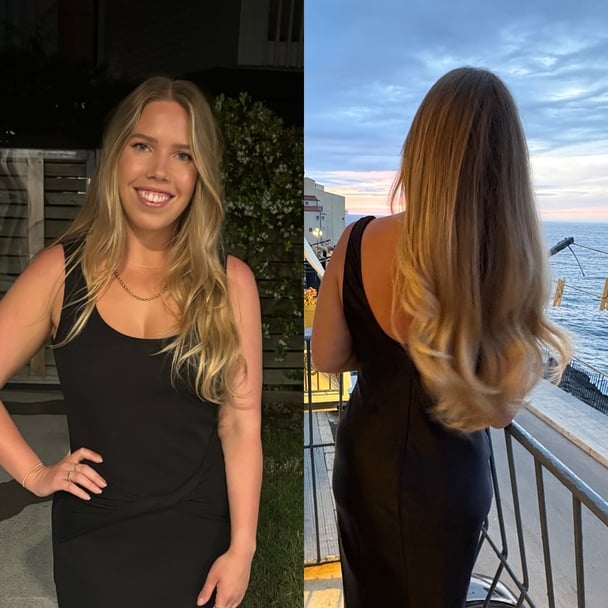
Porosity isn't fixed for life. Newer hair growing at the root is generally in better condition than the older hair further down, which has survived years of washing, heat, sun and colour.
"Colouring and lightening can increase porosity, particularly when they're repeatedly applied to hair that has already been processed," Michael said. Heat styling and everyday friction — tight hair ties, rough towel-drying, constant contact with clothing — all chip away at the cuticle too.
Tom agreed with the drivers: the more heat and chemical processing your hair goes through, the higher its porosity tends to climb, while regular treatments, masks and protective products can bring that level back down, at least temporarily.
He added that natural texture plays a role as well — curlier or tighter hair types tend to become porous through processing more easily than straighter hair.
The myths worth retiring.
Both experts want one myth gone for good: that porosity controls growth speed. It doesn't — that's a follicle story, not a fibre story.
The impact it has on length is more about length retention. Keeping the inches that you do grow.
Michael also wants to turn people off the idea that low-porosity hair shouldn't touch protein washes.
"Protein can be helpful, but it should be chosen according to the condition of the hair rather than a label someone has given their porosity," he said.
And while bond-building oils can help in some ways, they're not a fix-all to damaged, porous ends. (See: this piece on the overuse of Olaplex treatments!).
"Oil can soften the hair, reduce friction and slow moisture loss, but it doesn't hydrate the hair by itself," he said. "No product can permanently close a damaged cuticle or return heavily lightened hair to virgin condition, regardless of what the marketing promises."
The best routine, based on your porosity.
If you're low porosity: less is more.
"It can become coated quite easily, so focus on thorough cleansing, lightweight conditioning and avoiding too many products layered on top of one another," Michael said. If hair feels heavy or oddly dry despite rich masks, it may need a proper cleanse rather than another treatment — apply conditioner to very wet hair and let it distribute properly.
Tom suggested opting for lightweight mist styling products, rather than heavy creams. "Blow-dry with a lightweight styler like evo Mister Fantastic for volume without the weigh-down," he said.
Try:
evo Mister Fantastic Blowout Spray, $45.
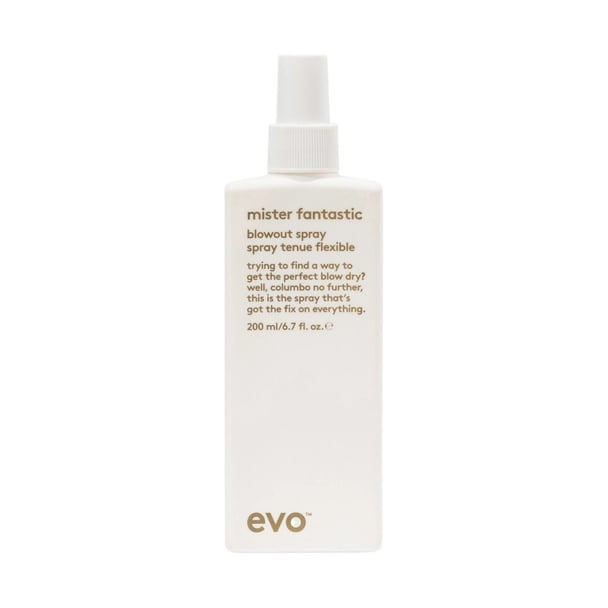
Evo Mister Fantastic is a professional multi-use hair blowout spray designed to add body, texture, shape memory, and a medium satin-finish hold while cutting down blow-drying time. It's lightweight, so it won't make low-porosity hair feel limp.
TYPEBEA G.0 Exfoliating Scalp Treatment, $60.00.
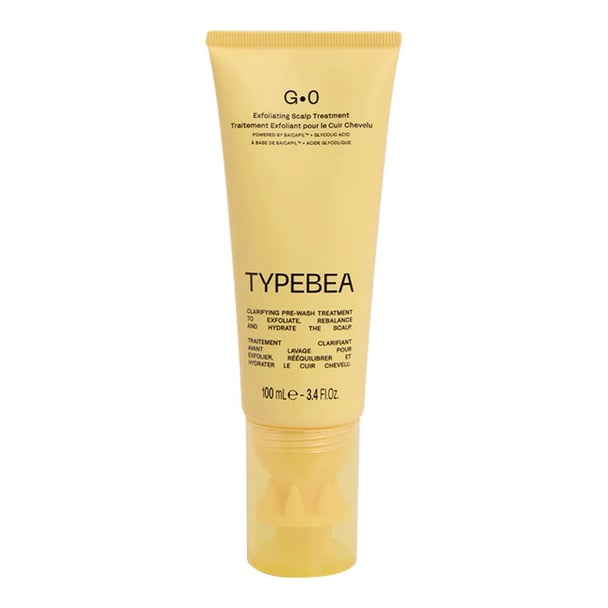
Low-porosity hair can be easily weighed down by scalp-treatments, so I like to opt for a shower-based scrub, rather than a post-wash scalp treatment.
This one is new from TYPEBEA, which rebalances and rehydrates the scalp in a lightweight formula, which rinses away easily and leaves no greasy residue. The dream!
Olaplex No. 7 Bonding Oil, $45.99.
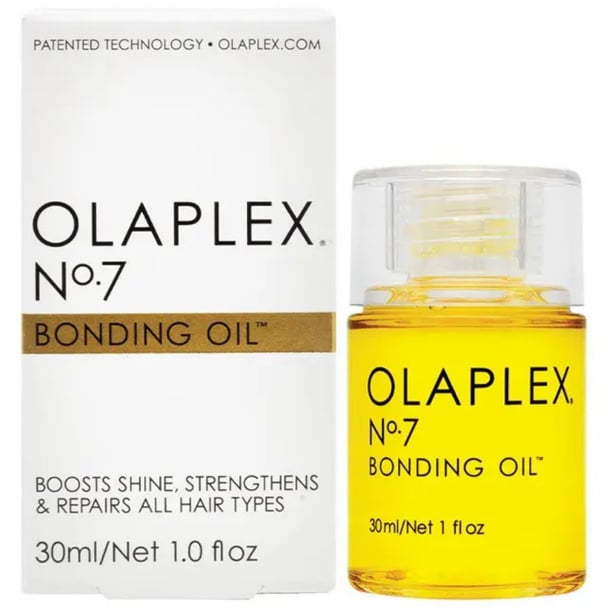
This is a lightweight bonding oil that will add sleekness to your low-porosity ends without making it look limp. A little goes a long way, just applied to regions of dryness.
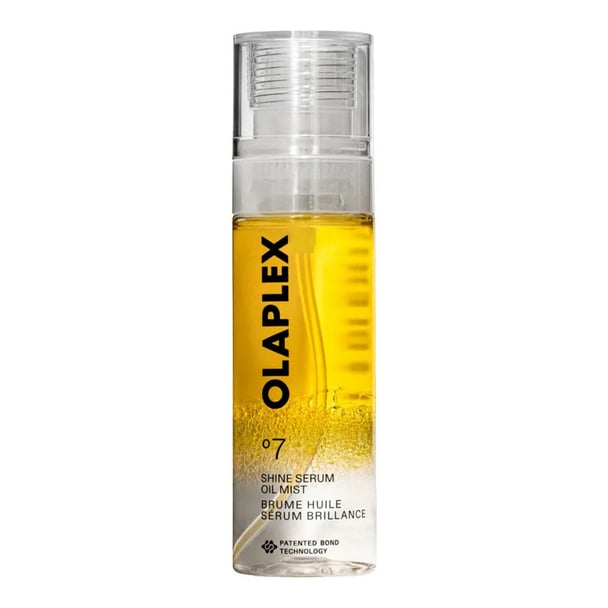
This also comes in a new mist format, which is even lighter for low porosity hair: Olaplex °7 Shine Serum Oil Mist, $70.
The Jojoba Company Australian Jojoba Oil, $54.95.
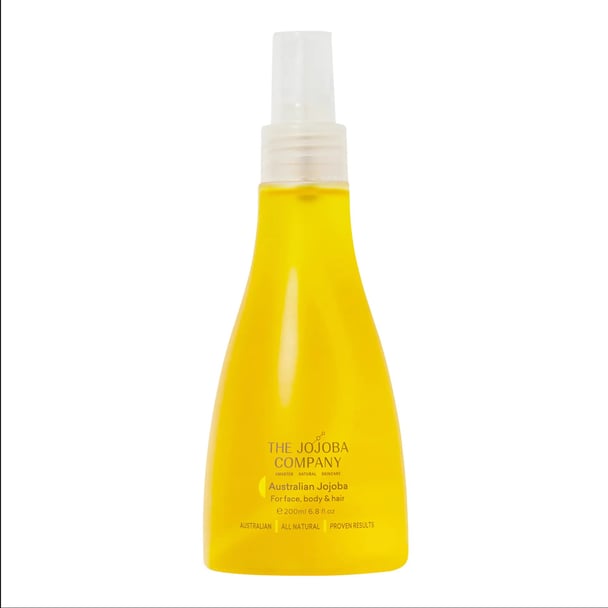
While low-porosity girlies can be afraid of heavy oils, applying them and leaving them on for a few hours can be a great way to get hydration, before washing off.
It gives the product the time to sink into the strands properly, but you still get a clean feeling at the end. I like leaving this for two to four hours.
If you're high-porous, the priority is protection and consistency. Michael recommended a nourishing conditioner, a leave-in through the mid-lengths and ends, then a serum or small amount of oil on top to reduce friction and slow moisture loss.
Bond-supporting or protein treatments can help, but more isn't automatically better — the real win is preventing further damage. That means lower heat settings, heat protection every time, gentle detangling and avoiding overlapping colour or lightener onto hair that's already compromised.
Tom's advice for high porosity hair is to layer products from thinnest to thickest — a lighter conditioning spray or serum first, then a milk or cream.
Try:
evo Mane Attention Protein Treatment, $42.
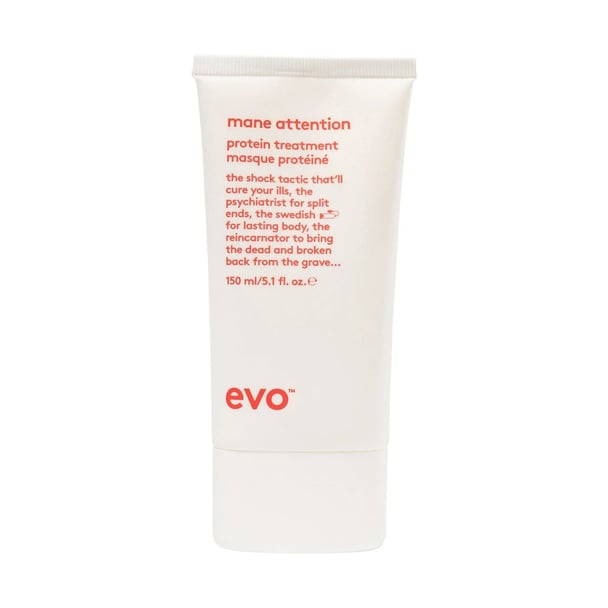
Designed to rescue fragile, high-porosity hair, this intense protein treatment works by filling structural gaps along damaged cuticles to rebuild strength and elasticity.
Colour-treated strands often struggle with moisture loss and breakage; this formula delivers the crucial balance of structural repair and deep hydration, leaving your hair significantly softer, shinier, and far more resilient against future damage.
SheaMoisture Manuka Honey & Mafura Oil Intensive Hydration Conditioner, $24.26.
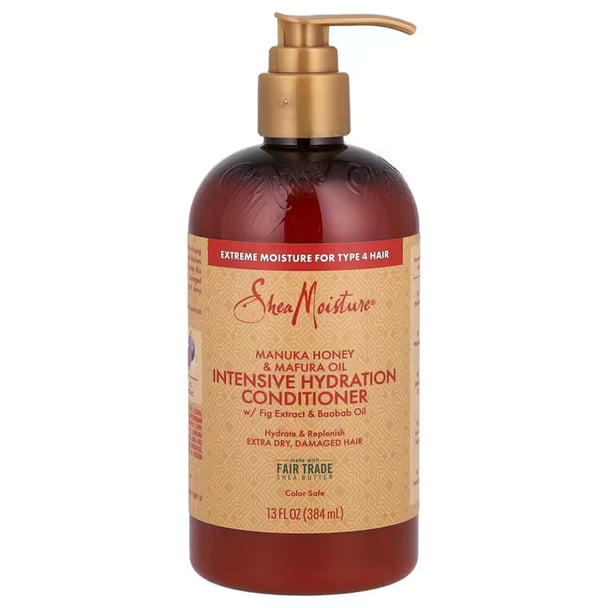
This ultra-rich conditioner is a dream for high-porosity hair. Packed with Fair Trade Shea Butter, Mafura Oil, and Baobab Oil, it penetrates deeply to seal off gaps, restore elasticity, and lock in long-lasting hydration. It detangles, restores manageability, and leaves fragile, extra-dry type 4 strands soft, shiny, and smooth.
Redken All Soft Heavy Cream Mask 250ml, $48.99.
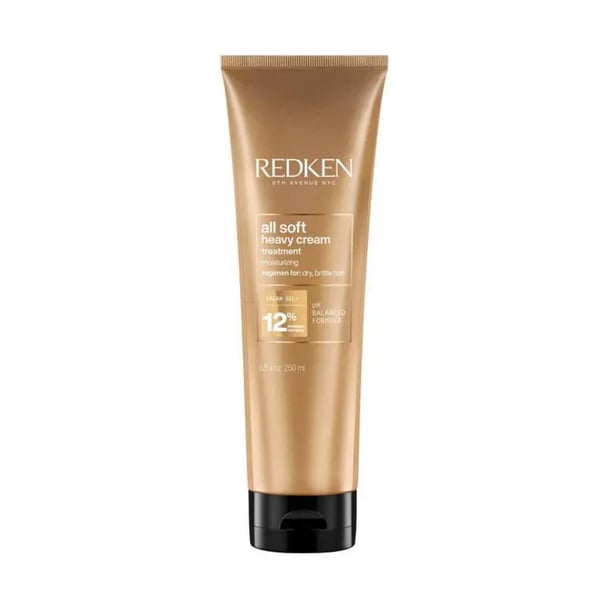
Redken All Soft Conditioner is a great choice for high-porosity hair that suffers from persistent dryness and rough texture. Enriched with Argan oil and Redken's Moisture Complex, it deeply hydrates, smooths raised cuticles, and restores essential flexibility.
What to look for on the label.
We all know haircare is an ingredients game.
For low-porosity hair, both experts point to lighter formulas: panthenol, glycerin and lightweight silicones work well, while heavy butters, waxes and thick oils are the ones to watch, since they can build up fast and leave hair feeling coated.
For high-porosity hair, look for fatty alcohols, ceramides, amino acids, hydrolysed proteins and conditioning silicones such as amodimethicone — ingredients that smooth hair, reduce tangling and protect already-weakened areas.
Michael's caveat: don't get too fixated on any single "hero" ingredient. "The complete formula and how it performs on your hair matter far more than whether a fashionable ingredient appears on the label."
Breakage disguised as 'slow growth'.
If your porosity is getting in the way of your hair goals, you're not alone.
"I see it in the salon all the time," Michael said. "Someone may have plenty of healthy regrowth at the scalp, but the overall length never seems to move because the older ends are continually breaking away."
The signs to look for include shorter pieces around the hairline, split or transparent ends, thinner density at the bottom of your hair, and a lot of little broken hairs turning up when brushing or styling.
"In that situation, trying to 'speed up' growth isn't solving the real problem. The focus needs to be on retaining the hair that is already growing," he said.
Michael's advice for anyone who has never thought about porosity before: stop treating your roots and ends as though they're the same hair.
"Keep products lighter near the scalp and concentrate on your conditioner, leave-in treatment and heat protection through the older mid-lengths and ends. It sounds simple, but tailoring where you place your products can make an immediate difference."
For more tried-and-tested beauty recommendations, subscribe to the weekly You Beauty newsletter, join our You Beauty Facebook group, listen to the You Beauty podcast or watch You Beauty on YouTube.
At Mamamia, we independently curate and write about products we rave about in our group chats and think you should know about too. If you purchase a product we have recommended, we may earn a small commission.
Feature image: Cassandra Green.
Win a $1000 voucher!
We want to ask you a few questions about how you look after your mental health! Complete our quick survey for your chance to win a gift voucher in our quarterly draw.
Take survey →
Sign up to Mamamia Daily
Sent daily
Cassandra Green
Acting Deputy Editor
No Comments
Be the first to leave a comment