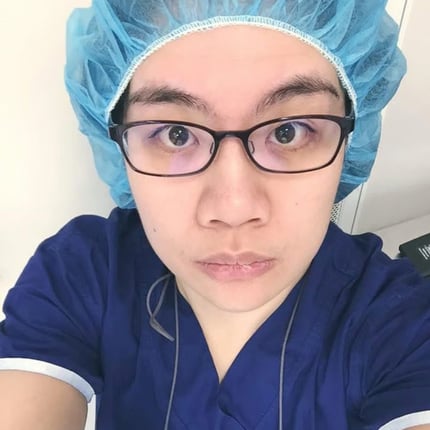
Olivia Ong can still remember exactly how clouds moved in the sky as she lay on the ground, injured in a hospital car park.
It was 2008. The 28-year-old junior rehabilitation doctor was walking into work when she was struck by an out-of-control car driven by an older man with dementia.
Now she was the patient — and she couldn't feel her legs.
"In an instant, I was flung into the air and landed on the ground," she told Mamamia.
A Code Blue rang out over the Royal Talbot Rehabilitation Centre's PA system — signalling a life-threatening emergency and doctors flooded the east Melbourne car park.
"It took me a while to realise that I was the Code Blue," Olivia said. "It was like someone had chopped my body in half. I knew my legs were there, but I couldn't feel or move anything below my waist.
"That's when I knew. I thought, 'Oh. This is probably a spinal cord injury'."
The Well hosts talk about how to discuss burnout with your doctor. Post continues below.

Only weeks earlier, the young doctor had been studying spinal trauma for an exam. Now she was living it.
She was rushed into emergency surgery, where her fears were confirmed. Her spinal cord was damaged: "My back was broken in half."
"I remember crying. I was hoping it wasn't that bad. But it was."
What started as one ordinary morning ended in Olivia's life being put on hold. She was a newlywed and had only just started her dream career. Now she was a paraplegic.
"I wasn't just grieving walking," she said. "I was grieving the life I thought I'd have. Practising medicine, having kids, moving freely and getting up and going for a run. I thought that was all gone."
"I privately feared I offered no value to the world."
After four months of rehabilitation, Olivia left the hospital in a wheelchair with little support and lived in shock for nearly two years.
"I lost the will to do anything."
It wasn't until she returned to working with patients that she felt a glimmer of purpose. But the real shift in her mindset came in 2010, when she travelled to the US for intensive rehabilitation at Project Walk.
Fed up with discouraging opinions, she assembled an "Avengers-style team" of specialists and left Australia for treatment.
"The culture was completely different," she said. "It made me think, 'I can do this'."
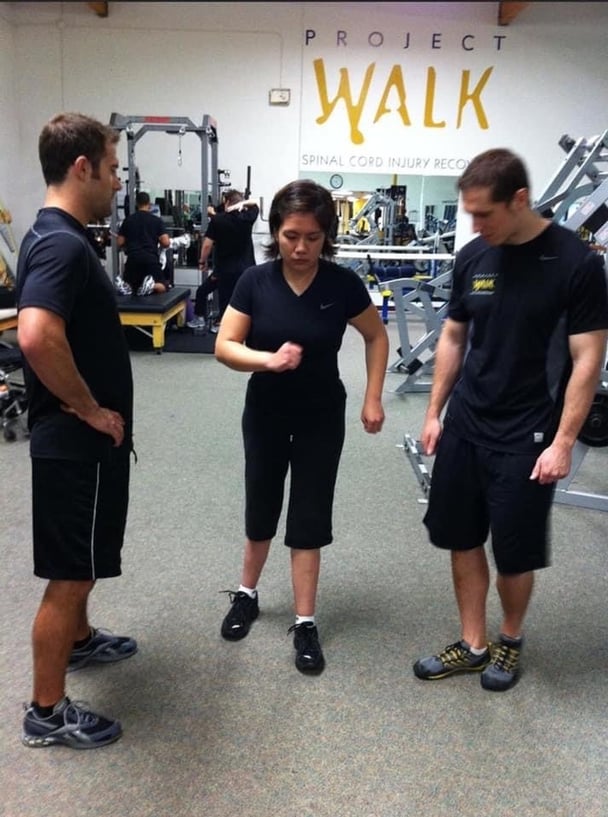
More than her physical strength, Olivia rebuilt something deeper — a self-kindness and self-compassion — which helped her healing more than any program. After three years of travelling between the US and Australia, Olivia relearned how to walk with sticks.
"I had the potential to recover. Even if the doctors didn't believe it, I did."
But the real turning point wasn't standing, "it was when I stopped punishing myself for who I used to be."
The friendships Olivia made at Project Walk, many suffering for years with chronic pain, influenced her decision to become a doctor, specialising in pain medicine.
Against all odds, she returned to her studies, sat countless exams and became a doctor. Olivia never slowed down, and become a mother to two children at the peak of her career.
Olivia was living the life she never thought possible – but it came at a cost.
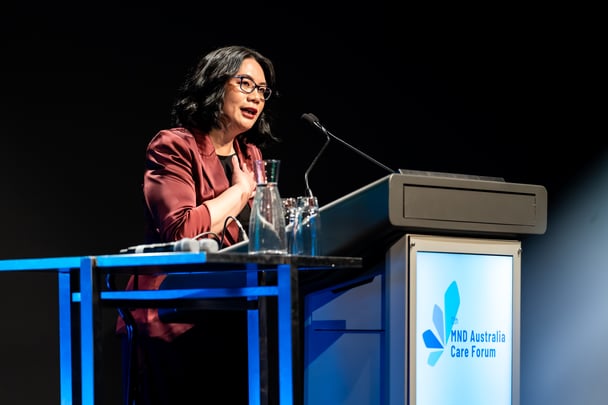
Navigating a spinal injury with the overwhelming load of work and motherhood during the pandemic left her body screaming. This time, it wasn't physical. It was burnout.
"A lot of women want to be everything to everyone," Olivia said. "The best worker. The best mum with the awesome lunchboxes, who volunteers, and cleans the house. We're exhausted, but we don't let our partners help because we think we can do it better."
Eighty per cent of people across industries report burnout, she said. "We have to face the elephant in the room."
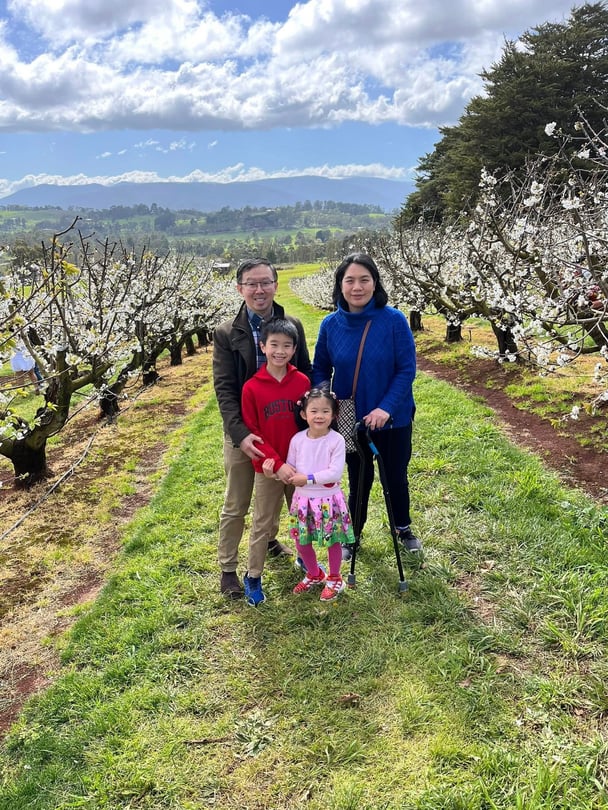
Now, 47, Olivia speaks to hundreds of women, sharing her story of resilience — and how she healed from both paraplegia and burnout. What she has come to learn through her pain, is that a woman's inner-power has nothing to do with grit, it's about softening.
"Strength isn't about being unbreakable. You have to let yourself fall apart," she said. "I was a hot mess after my accident. The trick is, you have to believe you're still worthy."She often thinks about Kintsugi — the ancient Japanese art which embraces flaws and imperfections by repairing broken pottery with gold.
The cracks aren't hidden. They're honoured. "I want women to know the bravest thing you can do is put yourself first. Be kind to yourself. You don't have to be a superwoman. You can break and rebuild, and be stronger because of it."
Olivia shares her story of self-compassion in her book Back on My Feet, available now, for anyone facing adversity, searching for meaning or inspired by the perseverance of the human spirit.
Feature image: Supplied.
Win a $1000 voucher!
We want to know your opinion on clothing. Complete our 3 minute survey for a chance to win a gift voucher in our quarterly draw!
Take survey →Laura Aubusson
Author
No Comments
Be the first to leave a comment