When Marion Mays was diagnosed with both a lung disease and an autoimmune disease within two weeks of each other, her life completely changed.
"Symptomatically, my lung function was half of what it used to be," she says. "My mouth with lesions, exhaustion like I'd never known and a real fear I wouldn't make it."
Watch: The hosts of Well on iron deficiencies in women. Post continues below.

Her fear wasn't unfounded. Marion's mother died young from a lung condition, so when Marion's own body began to fail, she was determined to keep it as healthy as possible.
"I'd always been health-conscious," she says. "But this took my food choices to another level."
At first, the changes to her diet felt sensible, more like common sense than anything else. Marion cut out alcohol, processed meat and what she describes as "known carcinogens". But as time passed, her food rules became more stringent.
"I now avoid all processed foods. I call these 'food products' not food," she says.
"Anything man-made in a packet. I avoid dairy, sugar, booze, any artificial colour, flavour, food dye."
What Marion eats is only part of her health story. Marion is also conscious of where she eats, shops and spends her time. She avoids all controlled air environments, believing mould – which she says caused her lung disease — thrives in central heating and cooling systems. Supermarkets are out too.
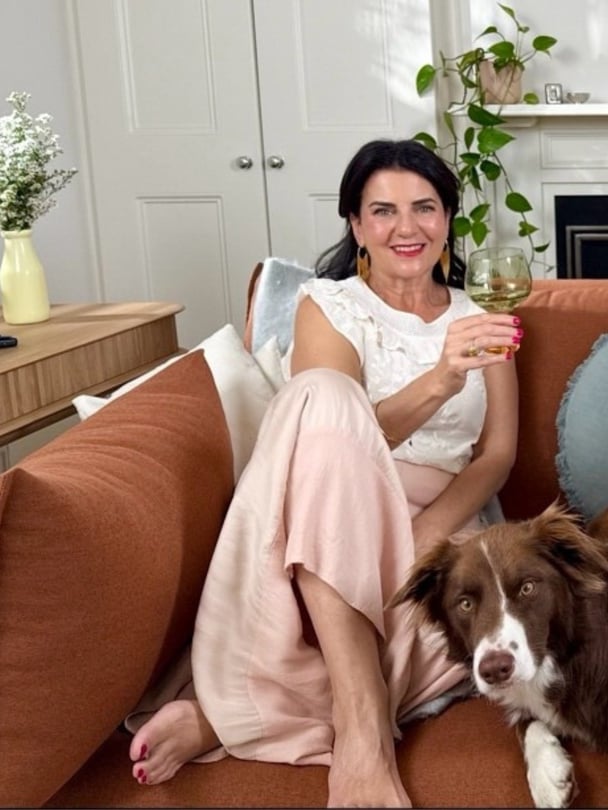
"There are just too many food products," she says. "And I don't like how they screw farmers over."
Her world has become smaller, but also more intentional, she says.
"Cheese, I miss!" she says. "But I have found many real food substitutes."
Marion says maintaining such a restrictive diet in order to feel safe requires daily mental energy.
"The mental energy to stay safe is a daily fact," she says. "I know the risks are real, and so I simply limit my food choices to what nature gave us."
While her strict routine mostly prevents accidental consumption of off-limit foods, if there is a slip-up, she feels the consequences immediately.
"If I consume something I should avoid, I feel it physically in my mouth," she says. "It burns."
Sugar leaves her feeling "foggy, inflamed and exhausted", and dairy causes congestion and mucus.
"Alcohol is the worst," she says. "I get a temperature, followed by flu-like symptoms."
While the physical impact can last for days, Marion says accidental exposure impacts her emotionally too.
"Mentally, I feel hopeless like I've let myself down," she says.
Marion has had to restructure her social life around her food and lifestyle rules. She no longer goes out to drink, dining interactions are carefully planned, and she gravitates towards people who live in similar ways.
"It's changed who I will spend my time with," she says.
"My eating rules give me calmness and a sense of control," she says. "These rules have tightened greatly as my knowledge has increased.
"I eat organic what is in season, I purify my water, I purify the air in my home. I feel like I'm living like we are meant to."
While Marion's fears are based on her own health experiences, many women dedicate similar time and energy to food and other avoidances based on fears without specific grounding.
According to Mindplace psychologist, Lyndsey Grounds, food avoidance sits within a broader pattern of food-related fears that are often misunderstood.
"It's important to recognise that sometimes a fear or phobia of food isn't about the food item itself, but about potential 'consequences' of eating certain foods," she says.
Those consequences might include illness, contamination or cancer, and the fear of them can drive increasingly rigid behaviours. Lyndsey says food phobias can manifest in a number of ways.
"People with phobias around food can show a variety of signs and symptoms," she explains. "Anxiety around certain foods and meal-times, loss of interest in eating, severe restriction or avoidance of certain foods."
Over time, those restrictions can have serious physical effects.
"Severe cases can lead to malnutrition effects with long-term medical complications," she says.
But the mental toll is just as significant. Lyndsey says people often develop dysfunctional thought patterns around food, marked by intense worry and rumination.
Left untreated, the impact can ripple outwards into daily life. "Food phobia can lead to interferences with work, study, personal relationships, and social life," she says. "It can cause significant distress and anxiety around food and mealtimes."
Eating out, social gatherings and even family meals can become sources of stress rather than connection.
"It may lead to people avoiding eating out at restaurants, parties or with family and friends," Lyndsey says. Over time, the fear can extend beyond food itself.
"The very idea of food can often be seen as a source of anxiety and stress," she says, with some people disengaging from social activities where food is involved."
Women appear to be disproportionately affected, says Lyndsey, presenting with food-related phobias more often than men.
"Social and cultural factors which often place women in a central role when it comes to health and food may mean that women often report higher levels of cancer-related fears," she says.
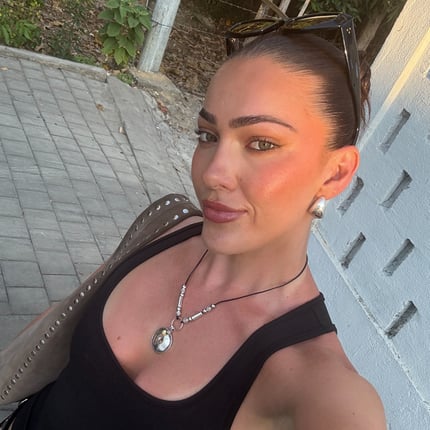
Food-based fear isn't always related to cancer or disease though. Sometimes it's something more specific. For Summer Ellis, the trigger is tomato sauce.
"I can't remember a particular time or moment," she says. "But I know as a child I liked plain fresh food without any sauces."
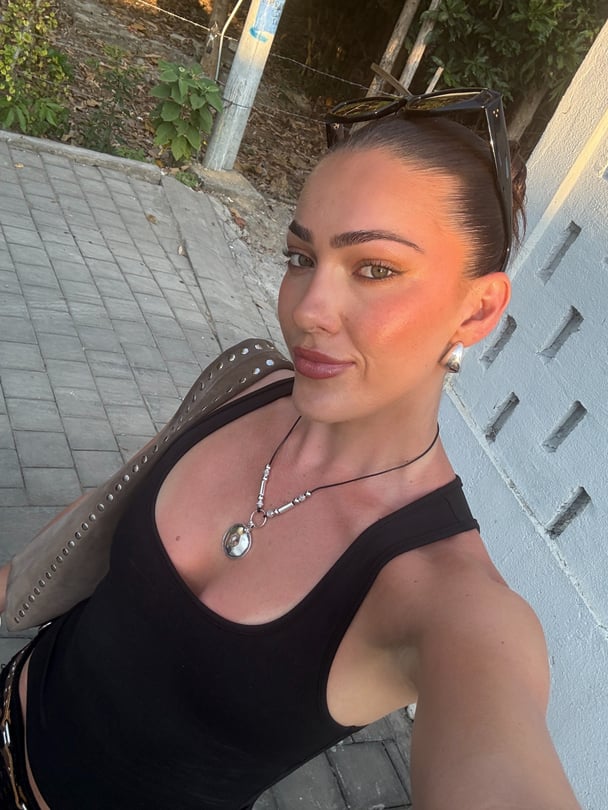
In Summer's case, her fear isn't about nutrition or illness, it's sensory. The smell, the texture, the colour, even the way it looks.
"What bothers me most is seeing it smeared on a white plate," she says. "I'm also extremely sensitive to the smell. I feel my upper body tense up like I'm preparing to get punched," she says.
Because tomato sauce is so common, avoidance isn't realistic. Instead, Summer has learnt to manage the aftermath.
"It becomes more about damage control," she says. "Making sure everything feels clean again before I can finally relax."
For Louise Walsh, the trigger relates to a specific food product, rather than food itself.
It started with Paddlepop sticks, and now extends to bamboo cutlery due to the similar look and texture.
"I'm not so much scared of them — I can't touch them," she says. "They make my skin crawl."
Her reaction whenever she comes across one is immediate and physical.
"Just thinking of it gives me goosebumps and I get a weird taste in my mouth," she says.
Anything that touches a paddle pop stick becomes inedible, and her stomach physically churns.
Louise carries her own plastic spoons with her, now that bamboo is so commonplace.
Lyndsey says help is available for those whose fears begin to take over.
Listen to Mamamia's Well, your full body health check. Post continues below.
"If you think that you or someone you care about may be experiencing food phobia, it's important to seek help as soon as possible," she says. "The earlier you seek help the closer you are to recovery."
She recommends starting with a GP, followed by psychological support.
"Accessing ongoing support from a trusted psychologist can also be extremely beneficial when it comes to addressing phobias, reducing distress and addressing problematic thoughts, feelings and behaviours," she says.
Feature image: Supplied.
Calling all skincare lovers!
Complete our 3 minute survey for a chance to win a $1,000 gift voucher in our quarterly draw!
Take survey →
Sign up to Mamamia Daily
Sent daily
Nicole Madigan
Senior Writer
No Comments
Be the first to leave a comment