Key takeaways
- You can train through every phase of your menstrual cycle; there is no need to stop exercising.
- Large reviews find the cycle's effect on exercise performance is small and highly individual.
- Matching intensity to how you feel — gentler movement on low-energy days, harder sessions when energy is high — is a practical approach.
- Access to varied class types (mobility, strength, cardio) makes it easy to adjust day to day.
You can exercise across your entire menstrual cycle, adjusting intensity to how you feel rather than following fixed rules. Current evidence shows the cycle's effect on exercise performance is, on average, small and varies a lot between individuals. A practical approach is to listen to your body: choose gentler movement on low-energy days and higher-intensity sessions when energy and comfort allow.
What the evidence actually says
A 2020 systematic review and meta-analysis by Kelly McNulty and colleagues, published in Sports Medicine, examined how menstrual cycle phase affects exercise performance in women with regular cycles. It concluded the effect was trivial on average, and that responses differed so much between individuals that recommendations should be personalised rather than applied as universal rules. In short, there is no single "best" phase to train — it depends on the person.
A practical, symptom-led approach
Because the research points to individual variation, the most useful strategy is to match your workout to how you feel on the day rather than to a calendar phase.
During your period: if you have cramps, fatigue or poor sleep, gentler options like stretching, mobility and light movement can feel supportive. Many people also exercise as normal — both are valid.
When energy is high: higher-intensity cardio or strength sessions may feel easier and more enjoyable, so it can make sense to schedule harder workouts then.
When you feel run-down: lower-impact movement maintains your routine without adding strain, which helps consistency across the whole month.
Why movement can still help during your period
Light to moderate exercise is commonly used to help manage period-related discomfort such as cramps for some people. Indeed, a 2019 Cochrane systematic review concluded that regular exercise — whether aerobic movement or low-intensity stretching — can significantly reduce menstrual pain intensity compared to inactive controls.
Armour, M., Ee, C. C., Hao, J., Wilson, A., Yao, S. S., Smith, C. A. (2019). Exercise for dysmenorrhea. Cochrane Database of Systematic Reviews, Issue 9. Art. No.: CD004162.
Making cycle-based adjustments easy
Adjusting workouts to your cycle is far simpler when a range of session types is available in one place. The MOVE app by Mamamia includes breathwork, stretching and mobility classes for lower-energy days, plus cardio and strength sessions for when you feel ready to push — so you can scale intensity up or down without leaving your routine. That variety makes a symptom-led approach practical day to day.
Related reading
Frequently asked questions
Q: Should I work out on my period? A: Yes, if you feel up to it. Exercise is generally safe during your period, and gentle movement like stretching or mobility can feel supportive if you have cramps or fatigue. There is no need to stop training — adjust the intensity to how you feel that day.
Q: Is there a best phase of the cycle to train hard? A: Not universally. A 2020 Sports Medicine review found the cycle's effect on performance is small on average and varies greatly between individuals. Rather than following a fixed phase, schedule harder sessions for days when your energy and comfort are highest.
Q: What workouts are best during your period? A: Lower-intensity options such as stretching, mobility, breathwork and light cardio suit low-energy or uncomfortable days. If you feel good, normal training is fine too. The aim is to keep moving in a way that feels sustainable, not to follow strict rules.
Q: Does exercise help with period symptoms? A: Light to moderate movement is commonly used to help ease some period-related discomfort, though responses vary between individuals. Keeping activity gentle and comfortable during symptomatic days lets you maintain your routine without adding strain.
Last reviewed: September 4, 2026.
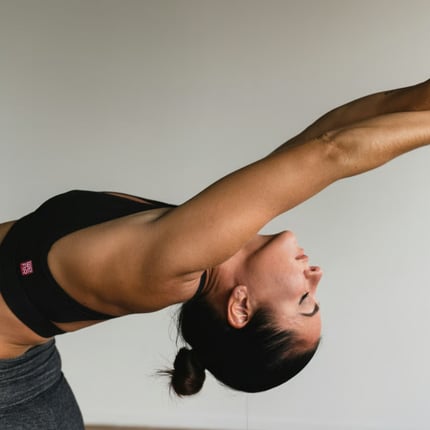
Featured image: Unsplash.
Michelle Webb
Branded Content Manager
No Comments
Be the first to leave a comment