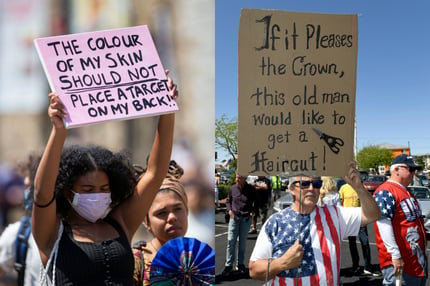
For close to two weeks now, the streets of cities across the United States have been filled with the chants of Black Lives Matter protests.
“I can’t breathe,” they yell, in reference to some of the last words spoken by unarmed black man George Floyd, who died after an officer restrained him with a knee to his neck for more than eight minutes.
Protests have spread across the world, including around Australia over the weekend.
Indigenous lives matter. Post continues below video.
But before them, a very different type of protest was taking place by those who felt disgruntled by government restrictions put in place to flatten the curve of the coronavirus pandemic.
People in the US, and yes, in major cities here in Australia too, held signs demanding their freedoms back. They wanted to get haircuts, or play golf, or in the most extreme cases believed the pandemic was created by elites to control the masses.
A month on, people are marching against police brutality and systemic racism.
LISTEN: Mamamia’s daily news podcast The Quicky.
To see photos of the different causes side-by-side is to see, well… white privilege, where the inconvenience of a global pandemic is the most pressing, dangerous or inconvenient thing you can imagine.
To protest over a haircut seems frivolous at the best of times, and in contrast to the “I can’t breathe” chanting, it puts that privilege on full display.
Anti-lockdown protests:
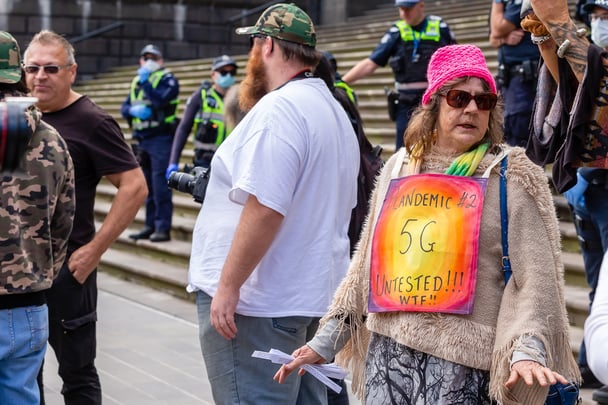
Protesters blame 5G technology for the Coronavirus during the Coronavirus (COVID-19) Anti-Lockdown Protest at Parliament House on 10 May, 2020 in Melbourne, Australia. Image: Getty.
BLM protests:
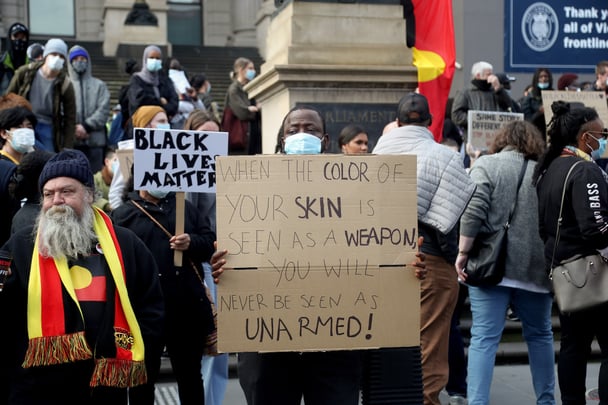
Protesters in Melbourne. Image: Getty.
Anti-lockdown protests:
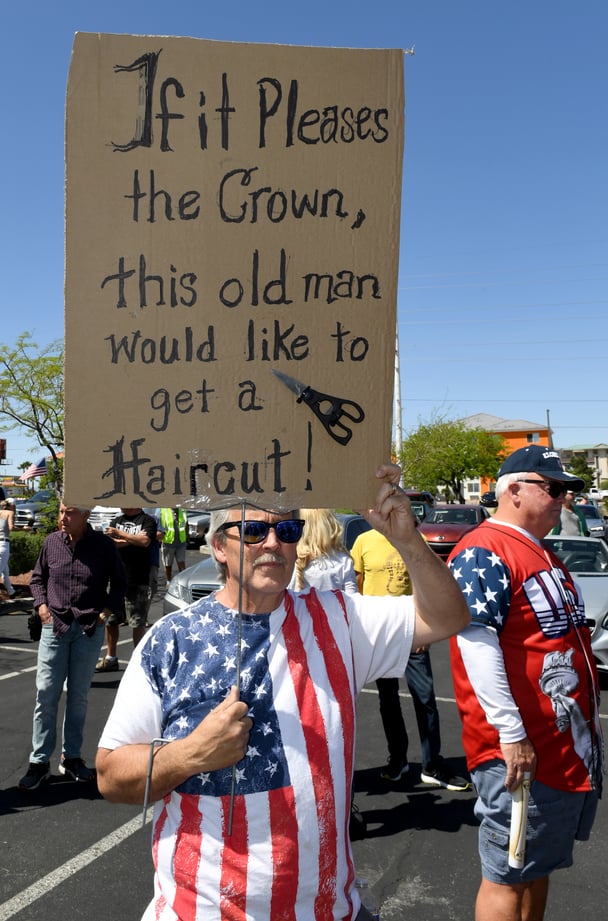
A man protests lockdown measures in Nevada, USA. Image: Getty.
BLM protests:
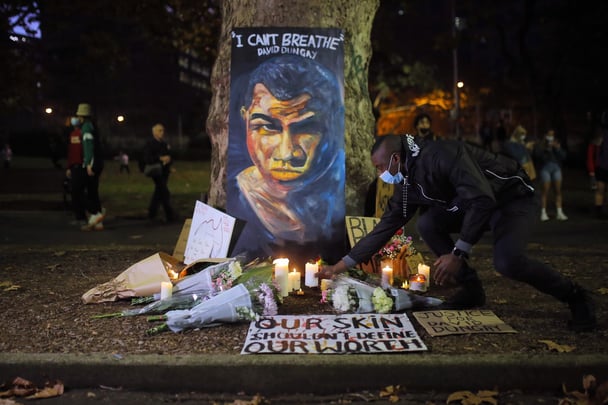
A man places a candle at a vigil with a portrait of David Dungay during a protest against Aboriginal deaths in custody in Sydney. Image: Getty.
Anti-lockdown protests:
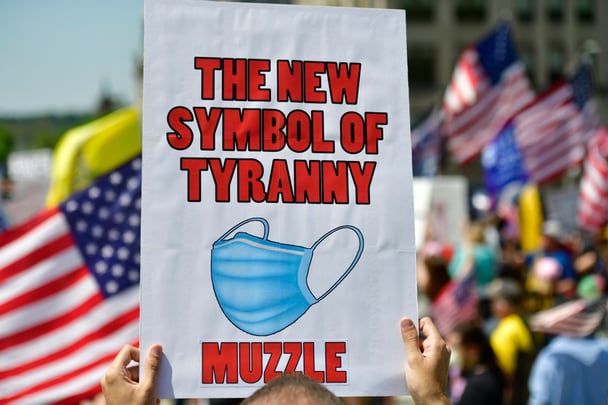
A demonstrator's sign during a anti-lockdown protest in Pennsylvania. Image: Getty.
BLM protests:
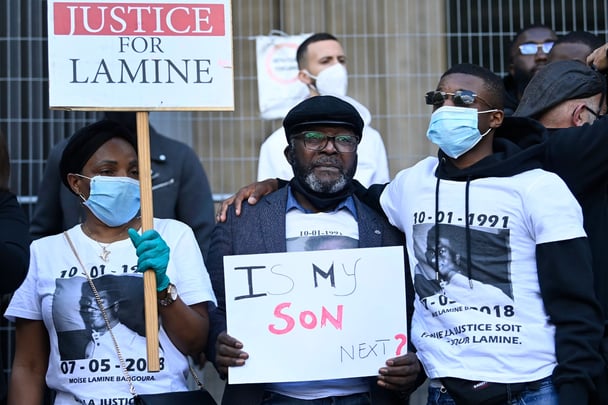
At a Black Lives Matter demonstration in Brussel, protestors remember Lamine Moise Bangoura, who was killed by police while being evicted for failing to pay rent. Image: Getty.
Anti-lockdown protests:
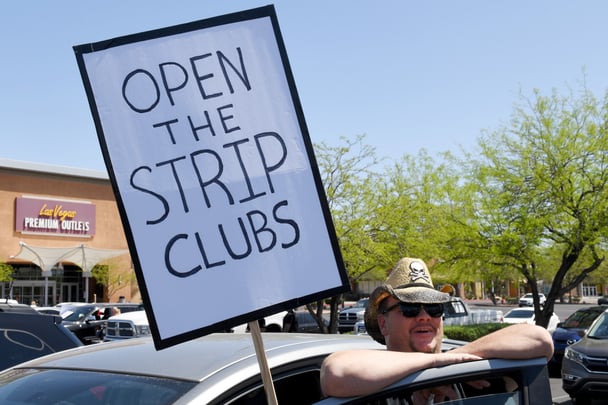
Strip club DJ Jack Slammy of Nevada displays a sign as people gather for a protest caravan along the Las Vegas Strip. Image: Getty.
BLM protests:
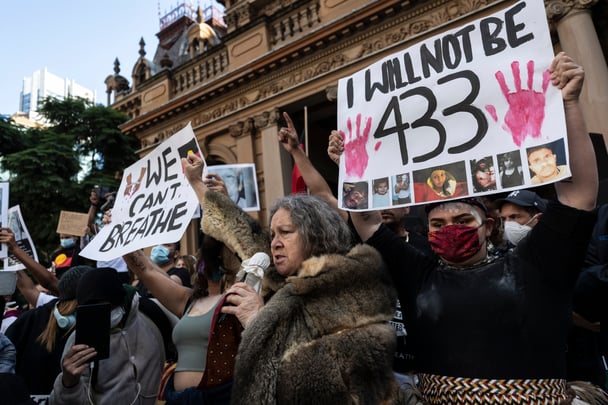
According to figures by The Guardian, 432 Indigenous Australians have died in police custody since the Royal Commission into Aboriginal Deaths in Custody in 1991. Image: Getty.
Anti-lockdown protests:
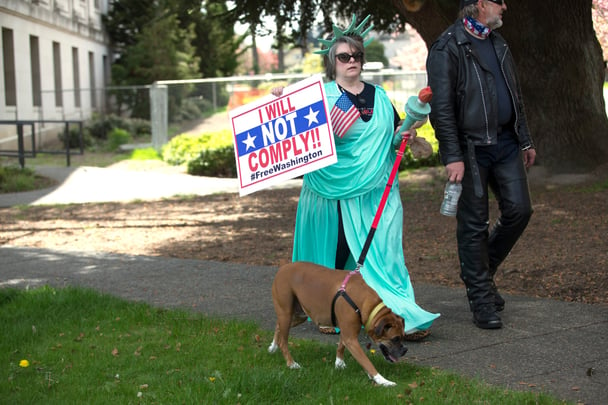
A woman and her dog protest in Washington. Image: Getty.
BLM protests:
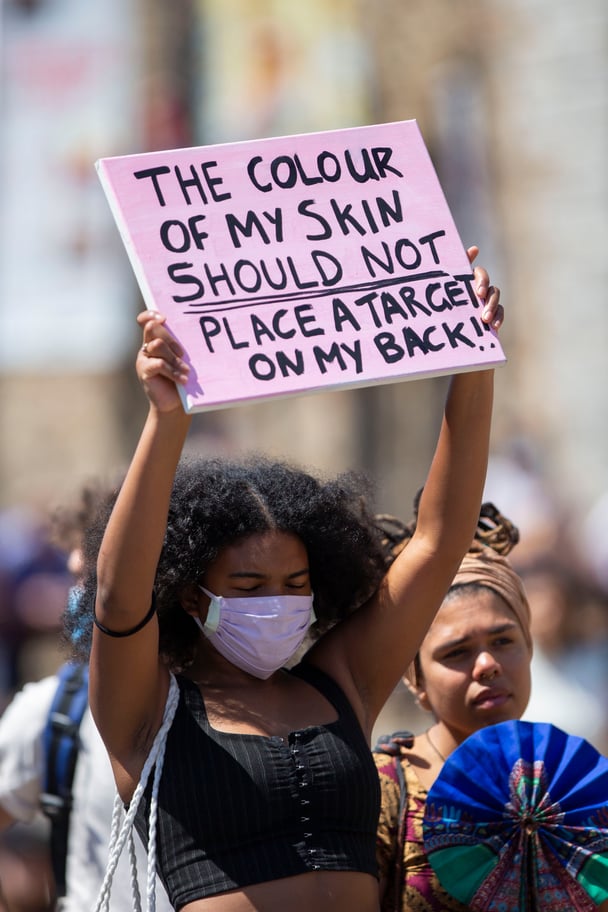
A protest in Cardiff, Wales. Image: Getty.
Anti-lockdown protests:
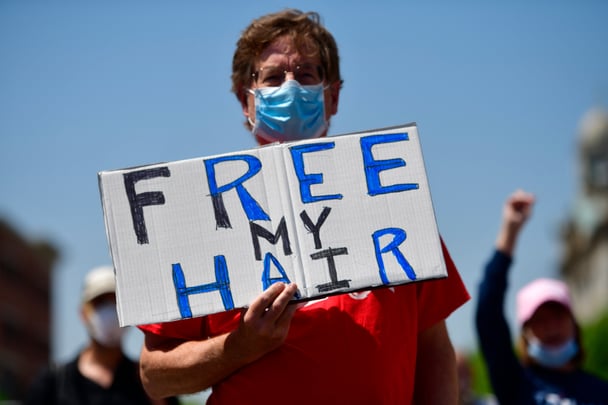
This man from Pennsylvania protested because he wanted a haircut. Image: Getty.
BLM protests:
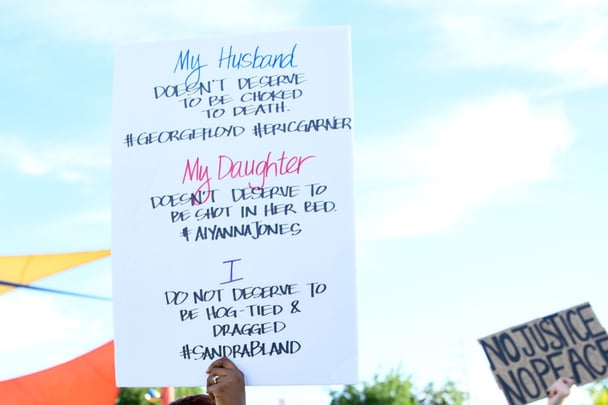
A BLM protest in Las Vegas, Nevada. Image: Getty.
Anti-lockdown protests:
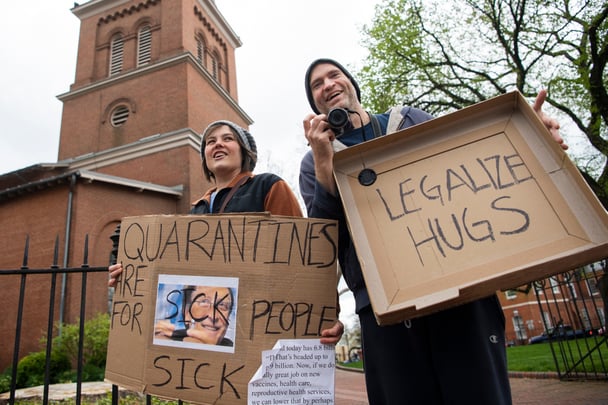
Protesters in Maryland demand hugs in a pandemic. Image: Getty.
BLM protests:
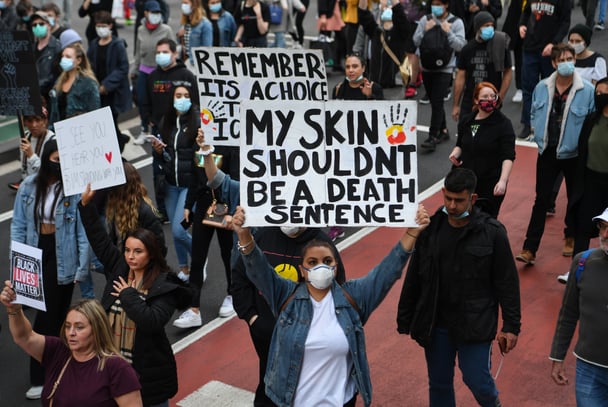
Sydney, Australia. Image: Getty.
Anti-lockdown protests:
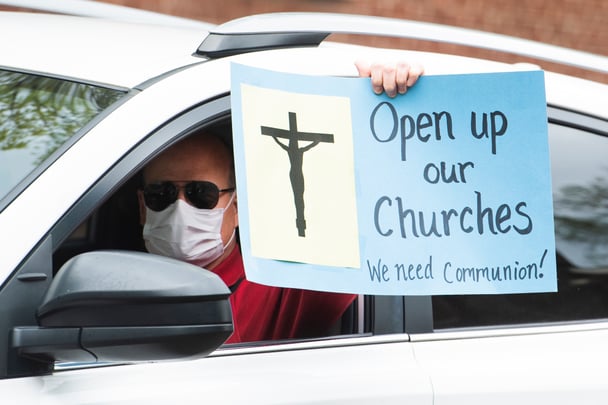
Demonstrators demand Gov. Larry Hogan lift restrictions that have closed certain businesses - and places of worship - in Maryland. Image: Getty.
BLM protests:
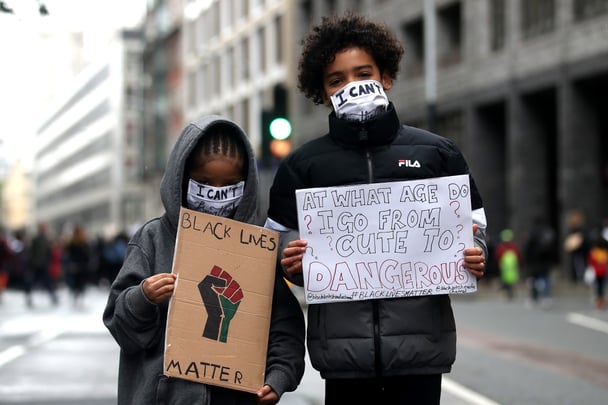
Children pose for a photo during a Black Lives Matter protest in London. Image: Getty.
Anti-lockdown protests:
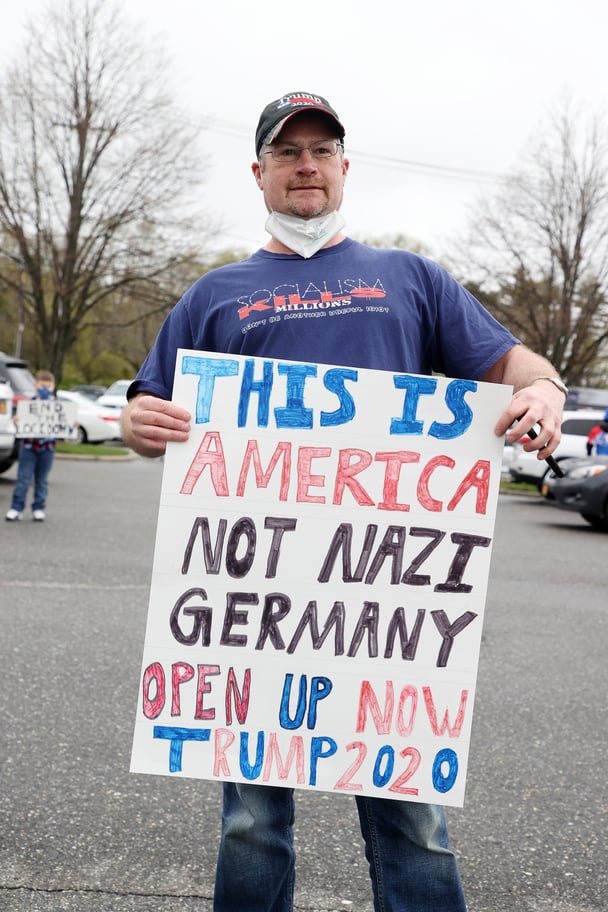
A protesters holds a sign comparing New York's lockdown laws to Nazi Germany. Image: Getty.
BLM protests:
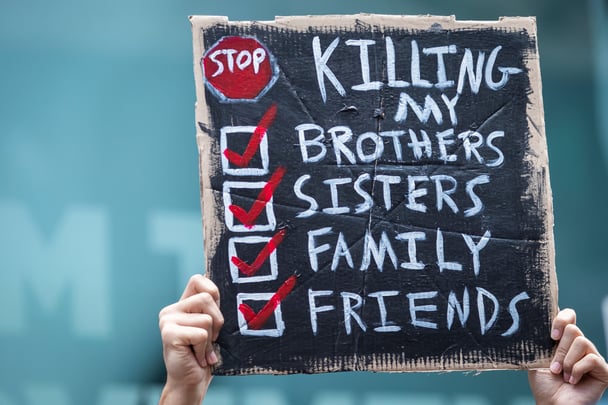
A sign at a New York City Black Lives Matter protest. Image: Getty.
Read more:
If you have the means to do so, you can actively help the Black Lives Matter cause in Australia and the United States by donating to organisations working towards racial justice, such as the National Aboriginal and Torres Strait Islander Women’s Alliance and the Justice for David Dungay Fund to support the family of David Dungay Junior, an Aboriginal man who died in a Sydney jail. You can also donate to the Black Lives Matter Global Network here. If you can, consider regularly donating to Indigenous-run organisations and First Nations causes. Other active ways to help include signing petitions, attending peaceful protests, listening to BIPOC, raising their voices, educating yourself on racism and privilege and ensuring we are all taking part in the conversation to dismantle systemic racism.
Feature images: Getty.
Chelsea McLaughlin
Author
No Comments
Be the first to leave a comment