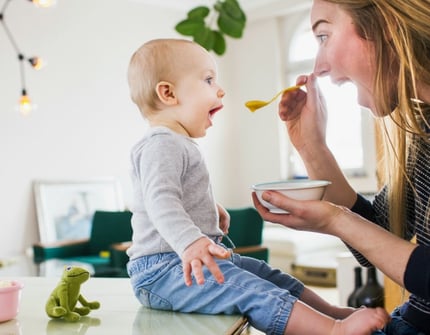
Being a new parent is full of all kinds of worries. While it might feel like things are constantly out of your control, there are some things you can get on top of early – like helping to prevent a food allergy.
For mum Saengtip Kirk, introducing solid foods to her baby, Hugo, was a positive experience. “I felt good about introducing solids – I really expected the mess and the time it would take, so I was very patient and made sure we had nothing on so I wasn’t stressed to get the activity over and done with or anything,” she said.
But one area Saengtip was unsure about was food allergies, like so many Aussie parents. With a second baby on the way, it’s something that’s still very much front of mind.
“I will be sure to introduce and keep up with common allergy causing foods like eggs and nuts to my new baby as my toddler is allergic to eggs but weirdly not eggs in baked goods. He isn’t really keen on eating baked goods on the norm!” she said.
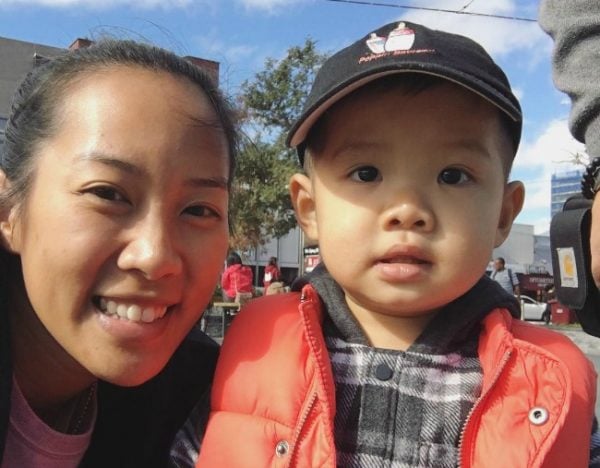
In Australia over the last 20 years, there has been a significant increase in food allergy. The good news is that food allergy risk can be greatly reduced if you introduce the common allergy causing foods into your baby's diet before they turn one year of age.
Here's everything you need to know about how to help prevent your baby from developing a food allergy, based on their guidelines:
What are common allergy causing foods?
The most common allergy causing foods are egg, cow's milk, wheat, soy, peanut, fish, shellfish, sesame and tree nuts (such as cashews and walnuts).
Why should I introduce them before my baby turns one?
If you're a parent with a child under a year of age, introducing common allergy causing foods into your baby's diet before they turn one can greatly reduce the risk of them developing an allergy to that particular food, research shows.
When your baby is ready to have solid foods (at around six months but not before four months) you can try feeding solid foods. Try foods such as peanut spread and well-cooked egg before they are one year of age.
A common misconception is that delaying the introduction of the common allergy causing foods can prevent food allergy. This is not true, based on recent research.
When it comes to mums who are still breastfeeding, it is recommended that you continue to do so while introducing solid foods to your baby.
Whatever part of that first year you're in, ASCIA's Nip Allergies in the Bub website is a great place to go for helpful advice on how to introduce common allergy causing foods and information about allergy prevention.
What are some ways I can introduce allergy causing foods to my baby?
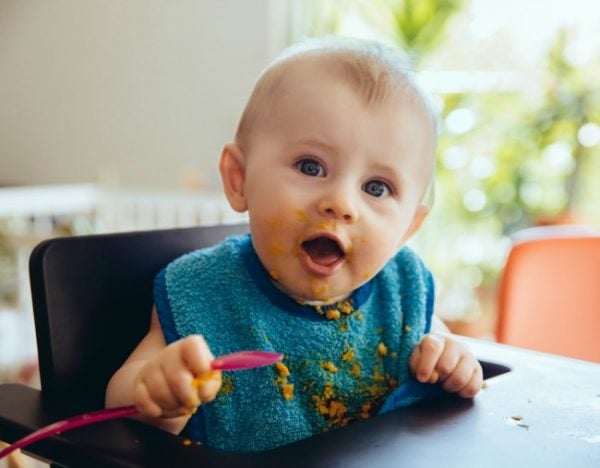
As part of healthy diet, aim to offer your baby a variety of foods from each food group. Image via Getty.
You can introduce common allergy causing foods in any order, however, iron-rich foods should be fed to your baby from around six months of age. Some of these foods include iron-enriched (fortified) cereals, meats, poultry, fish, well cooked egg and legumes (such as chickpeas).
Saengtip did this by starting to feed Hugo baby cereal when he started reaching out for food, but she says "most of it went in the mouth but then out again". But she persisted and after a few weeks, she moved Hugo to mashed bananas and other foods suitable for a four-month-old up to six-month-old and so on.
Introducing one food at a time, like Saengtip did with the banana, is a good way to identify if it causes an allergic reaction. If your baby is allergic to a specific food, it's important not to continue feeding them that food.
Always staying with your baby or child when they're eating is important. Having them seated will make it easier for them to eat while you watch them.
For more tips on what to feed your baby, and how to make the transition from smooth to textured to soft finger foods at different ages, preventallergies.com.au has all the info.
So, how do I actually recognise an allergic reaction?
Allergic reactions can take just minutes to occur, though sometimes they can take longer, even up to two hours. Sometimes they can be more delayed than this, but there are signs to look out for that may indicate your baby is having an allergic reaction.
These include swelling of lips, face and eyes, hives or welts, and vomiting. However, more severe symptoms will present if your baby is suffering from anaphylaxis.
These include difficult breathing or noisy breathing, swelling of the tongue, swelling in the throat (drooling or difficulty swallowing), a change in voice or cry or wheezing or persistent coughing, collapsing or becoming pale and floppy.
If you think your baby might be having an allergic reaction soon after giving them a new food, you should stop feeding them that food and seek medical advice.
"If you are ever unsure of anything, no matter what you are unsure of, go and see your GP. Take your time, go slow and be patient," Saengtip said.
For new parents who are concerned about introducing new foods, don't despair. There is information available that can help you do everything you can to help prevent a food allergy.
To find out more, go
This content was created with thanks to our brand partner National Allergy Strategy, ASCIA and Allergy & Anaphylaxis Australia.
Valentina Todoroska
Editor in Chief
No Comments
Be the first to leave a comment