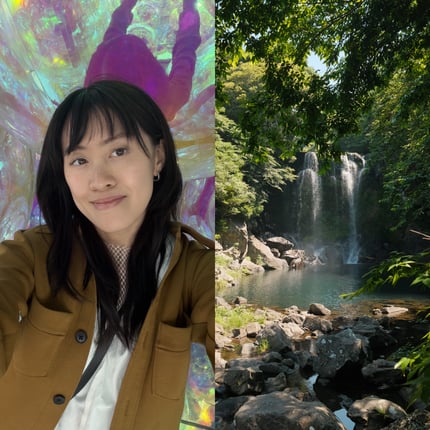
If you want to support independent women's media, become a Mamamia subscriber . Get an all-access pass to everything we make, including exclusive podcasts, articles, videos and our exercise app, MOVE.
I'm going to be honest: I'm not into K-pop, nor am I into K-dramas. I couldn't even spot a member of BTS if they walked past me on the street (how rude, I know).
So while South Korea is having a massive global moment, my response to actually visiting was always lukewarm.
Watch: The health kit travel essentials you should pack for every trip. Post continues below.

For a long time, my response was: Let me think about it. Sure, I'm a huge fan of Korean food and fashion, but is it really enough to book a trip across the world?
Seoul is undeniably the city of the moment. It's the global epicentre for trends in fashion, beauty, and television, bringing in a massive influx of travellers. This obsession is fuelled almost entirely by 'Hallyu' (the global Korean wave), with cultural exports spanning everything from Squid Game to those viral salmon-sperm skin 'tweakments'. Shouldn't I want to witness it firsthand?
To be frank, taking a 10.5-hour flight from Sydney just to shop for skincare seemed unreasonable. Plus, I had absolutely no idea how to plan a trip there, and planning was the absolute last thing I wanted to do on my break.
Enter: InsideAsia Tours.
They stepped in and completely transformed the heavy mental load of travel planning into an absolute breeze, so I didn't have to spend my break staring at spreadsheets.
They promised my days would be full, and my belly would be fuller. They weren't lying.
What surprised me most about Seoul.
Korean culture buff or not, there's so much more to this country than what you see on a screen.
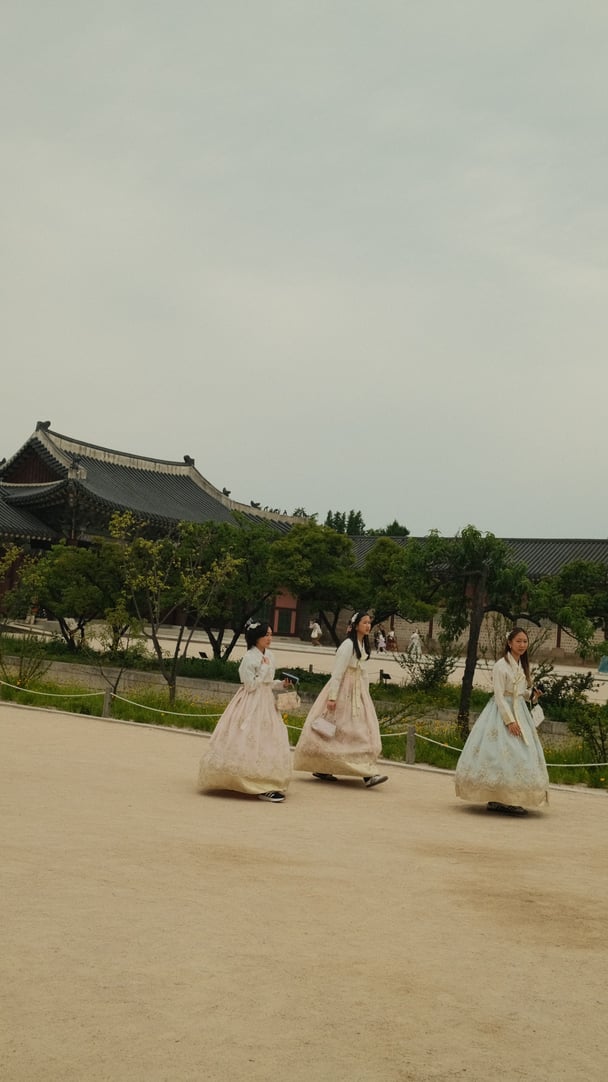
Upon landing in Seoul, I quickly found myself dressed in a hanbok (traditional Korean attire), strolling around Gyeongbokgung Palace and feeling like literal royalty.
Built in 1395, it was the main palace of the Joseon Dynasty and remains one of the best places to witness the iconic Royal Guard Changing Ceremony.
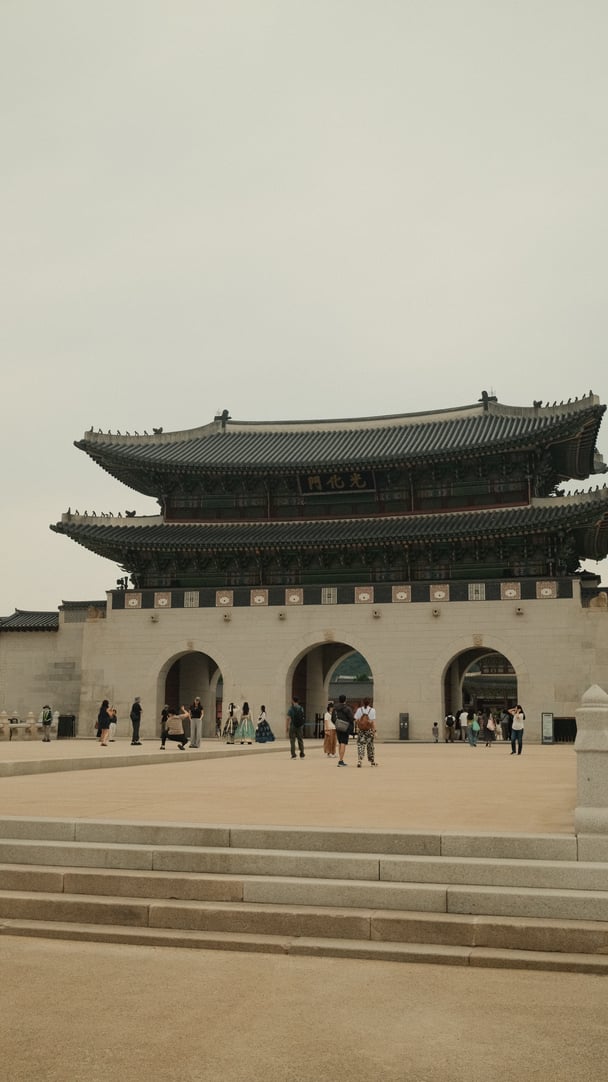
What intrigued me most were the incredibly vibrant colours painted on the underside of the roofs. These five distinct paint colours (blue, red, yellow, white, and black) are known as Dancheong.
They represent the five natural elements and are used to protect the wooden buildings from insects and weather damage, though the designs also incorporate ancient symbols to ward off fire and evil spirits.
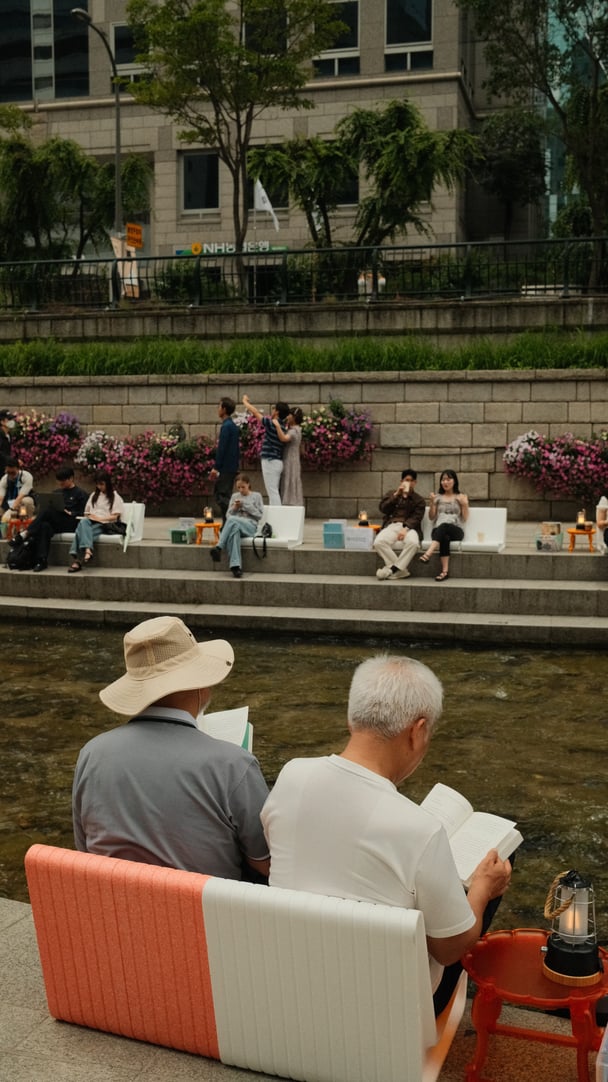
After getting our 20k steps in for the day exploring on foot, we stumbled upon The Seoul Outdoor Library at the Cheonggyecheon Stream. It's one of the city's most unique public spaces where books, nature, and urban life collide.
Each seat features its own bookshelf and reading lamp. Right here, in the centre of a metropolis of 10 million people, this place begged me to do one thing: slow down.
The one travel hack you actually need: Do not rely on Google Maps. It does not work well here. Instead, do yourself a massive favour and download the Naver map app the second you land.
It takes a hot minute to get used to the interface, but once you get the hang of it, it's a total lifesaver. It's packed with precise directions, transit line info, and more local reviews than you could ever read. Save yourself the public transport meltdown.
Beyond the hype: The coastal South Korean city famous for a unique tofu dish.
On day two, I boarded the KTX (Korea Train Express) to Gangneung, Seoul's breezy seaside escape. Compared to the bright neon lights and K-pop beats of the capital, Gangneung is quiet, serene, and coastal. It is a contrast so stark it's a bit of a shock to the system.
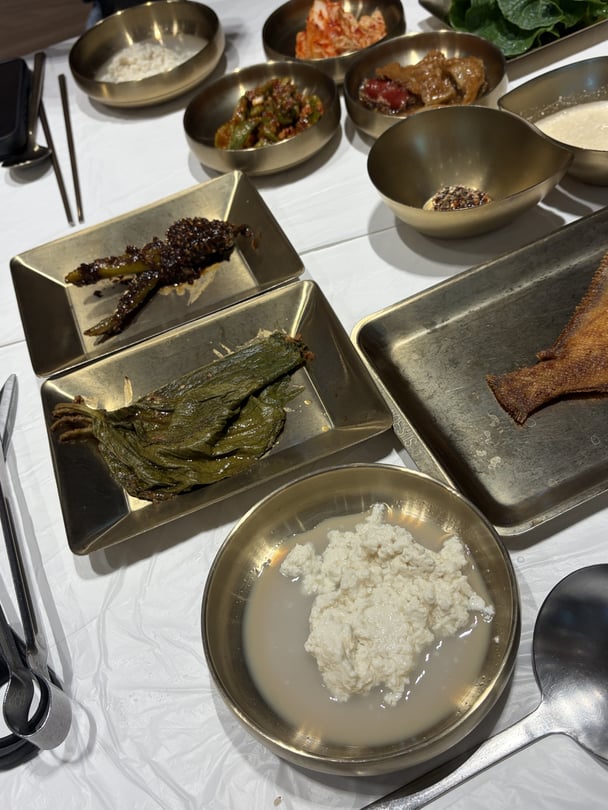
We headed straight to Chodang Tofu Street to try a famous local speciality: tofu uniquely made using fresh seawater as a natural coagulant.
The deep-sea minerals interact with the soy protein, resulting in a velvety, nutty flavour that practically melts in your mouth with a cottage cheese-like texture.
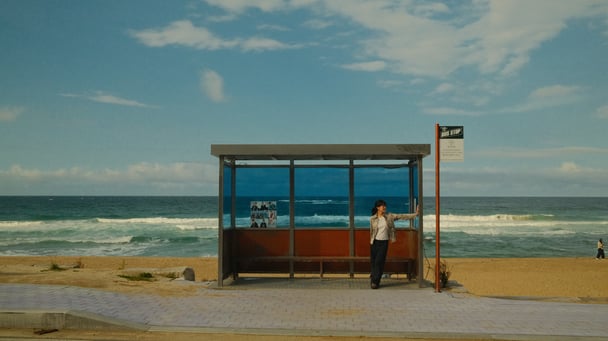
Although K-pop isn't my thing, I had to pay my respects to the BTS ARMY (which, I've learnt, is the formidable name for their global fanbase). On the way to our next stop, we pulled over at the famous "BTS Bus Stop" next to Jumunjinhaebyeon Beach for what I was told was an absolutely mandatory photo op.
Fun fact: the bus stop isn't functional; it was created specifically for an album cover. Unlike generic, rigid group tours that leave zero room for spontaneity, I loved how InsideAsia Tours' customised itinerary allowed us to casually fit in quirky spots we found along the way.
We finished the day at the Arte Museum, a stunning digital art space full of immersive light installations. Stepping into the waterfall exhibit felt like walking directly into a dream.
Surrounded on all six sides by glowing light, mirrors, and high-definition projection mapping, you are completely enveloped by 7-metre-tall cascading water that creates the ultimate gravity-defying illusion.
The volcanic island that completely stole my heart.
Did you know a plane takes off between Seoul and Jeju Island every seven minutes? That makes this large volcanic island in the south one of the most popular tourist spots in the region.
Famed for its local tangerines and black pig delicacies, Jeju is naturally stunning, with aquamarine water frothing against striking black volcanic rock. People often call it the "Hawaii of Korea," but I think that actually undersells it. It's smaller, slower, and I quickly found myself falling entirely under its charm.
Our first stop was the Bonte Museum, a spectacular Tadao Ando-designed space filled with an expansive private contemporary art collection.
Yes, it features a Yayoi Kusama pumpkin and an infinity room. But it also houses deeply moving displays of traditional Korean craftsmanship, from intricate embroidery and calligraphy to antique furniture and jogakbo (patchwork wrapping cloths).
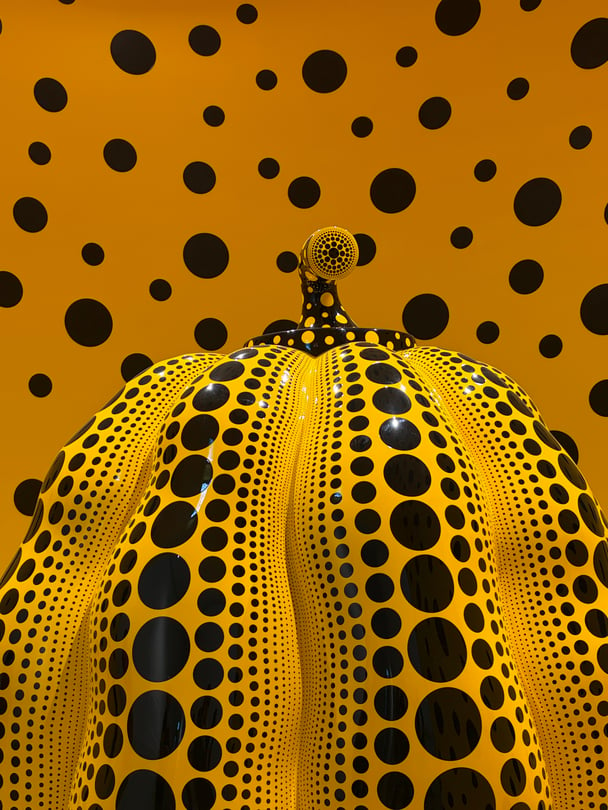
There's also an eerie, fascinating room filled with carved figurines called Kkokdu. At first glance, they look like adorable dolls, but they are actually funerary objects buried with the wealthy dead to accompany and serve them in the afterlife.
My personal favourite, however, was Tadao Ando's meditation room. The route to get there is winding and maze-like, perfectly embodying his architectural philosophy of creating "space to think." It's an inefficient walkway on purpose; he wants viewers to walk, feel, and slow down their thoughts before entering the quiet sanctuary.
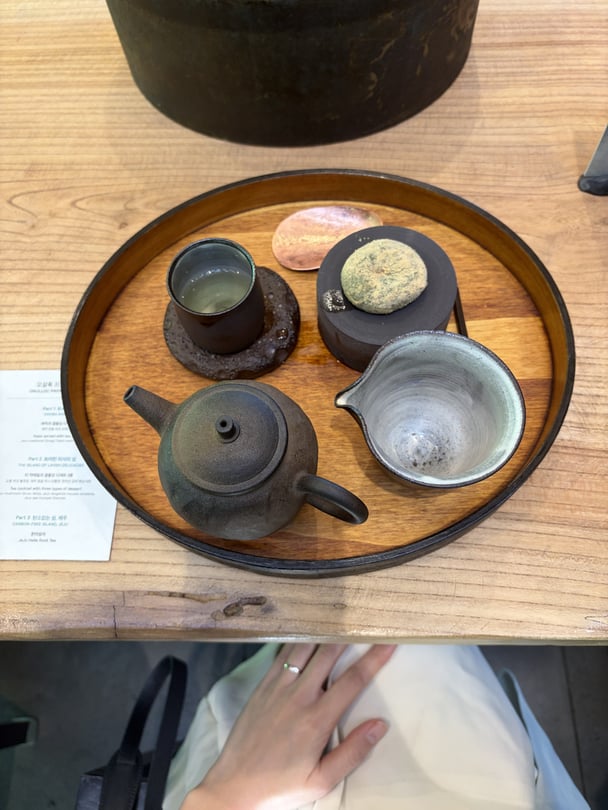
Next up was the Osulloc Tea Museum. In the 1950s, a small group of entrepreneurs looked at the harsh lava rock terrain of Jeju and boldly decided they could plant green tea fields.
Today, the entire building is beautifully designed in the shape of a teacup when viewed from above. Here, we treated ourselves to the Premium Tea Course, exploring Jeju's heritage through taste. We were served tea cocktails with garnishes made from local ingredients, including a famous tangerine-infused brew, before wrapping up with a hands-on workshop on roasting organic tea leaves.
To catch the sunset, we headed to a true volcanic wonder: the Sangumburi Crater. Spanning more than 2 km wide, it's home to a wildly diverse ecosystem of plants and animals. There is no better place in my memory that captures the sun, the mountains, the forest, and the fields in a single, breathtaking frame.
Seeing myself in full colour.
"What's your colour season?" is just as common a question to ask in South Korea now as "What's your astrological sign?"
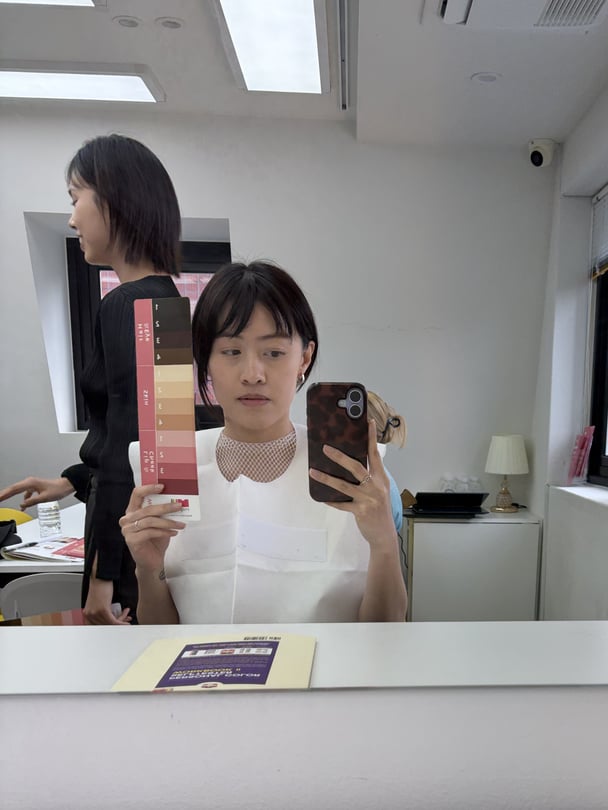
When we arrived back in Seoul, we booked a personal colour analysis session at Image Ho. If you've ever fallen down a TikTok rabbit hole of "What season am I?" videos, or spent way too long staring at a colour wheel trying to figure out if you have cool or warm undertones, you'll understand the hype.
Turns out, I am a 'Light Spring.' The experience genuinely helped me unlearn fleeting internet trends and relearn how to dress for my own presence.
By the end of the trip, I had absolutely fallen in love with South Korea, and I'm already plotting my return.
As an outsider, I expected a clash between K-Pop culture and ancient history; between hipster hubs and traditional hanok villages; between the slick, polished exterior and the unrefined real world.
Listen to the latest episode of Mamamia Out Loud, what women are actually talking about. Post continues below.
Instead, I realised that South Korea thrives on a beautiful theme of contrast, sitting in perfect harmony.
My own holiday — chaotic but beautiful, spontaneous but perfectly planned, fast-paced but still restful — had fallen in perfect sync with South Korea's joyful rhythm of juxtaposition.
Where to stay in South Korea.
Seoul
RYSE, Autograph Collection Hongdae - From $391 per night.
Nine Tree by Parnas Seoul Insadong - From $197 per night.
Gangneung
St. John's Hotel - From $144 per night.
Jeju Island
- Whistle Lark Hotel - From $95 per night.
Feature image: Supplied.
The author ravelled as a guest of InsideAsia and Korea Tourism Organization, however all views and opinions are their own.
Win a $1000 voucher!
We want to know your opinion on clothing. Complete our 3 minute survey for a chance to win a gift voucher in our quarterly draw!
Take survey →Emily May Gunawan
Author
No Comments
Be the first to leave a comment