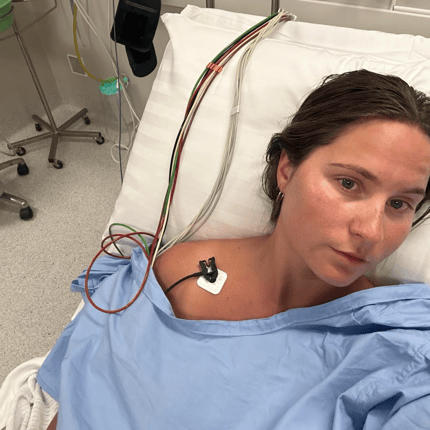
From the outside, I looked capable, high-functioning, and positive.
I smiled at colleagues and friends, taught my students with passion, and showed up to life like nothing was wrong.
But behind closed doors, I was grieving the version of myself I no longer recognised. Chronic illness had quietly, steadily rewritten my identity.
For years, I battled debilitating pain, overwhelming fatigue, and a series of misdiagnoses.
In late 2022, I was finally diagnosed with deep infiltrating endometriosis, a condition in which tissue similar to the lining of the uterus grows outside the uterus, often causing severe pain, organ dysfunction, fatigue, and complications with fertility.
Watch: We unpack just how much period pain is 'normal?' Post continues below.

My condition affected multiple organs, including my bladder, bowel, kidneys, and reproductive system.
The diagnosis, which came through a painful surgery, was only the beginning. Stage 4 endometriosis had already stolen my full-time teaching career before I understood what was happening.
I had pushed through extreme pain, fatigue, and digestive and urinary complications for years, assuming it was "normal" or just stress.
By the time I received clarity, my organs were stuck together, and what followed wasn't just surgery; it was a cascade of new complications and diagnoses: chronic fatigue syndrome, fibromyalgia, migraines, and neurological symptoms that remain a big question mark.
Beyond the physical toll, I faced the quiet grief of losing pieces of my high-energy, busy former self. Every day felt like navigating an unfamiliar body, a shifting identity, and a life I no longer recognised.
'The invisibility of chronic illness.'
The hardest part wasn't only the pain, it was the invisibility. Women with chronic illness often look fine.
We work, care for our families, smile through pain that no one can see. And the statistics are staggering: one in two Australian women live with at least one chronic condition, one in five experience chronic pain, and women make up around 75 per cent of those living with autoimmune diseases.
And yet, women's pain is often underestimated.
Many of us wait longer for relief in emergency departments, see multiple doctors before receiving a diagnosis, and quietly shoulder the economic, financial, and emotional burden of illness
In those early years, I became an expert at pretending I was fine. I would smile through flare-ups, explain away cancellations, and tell my friends and colleagues I was "just tired" when the truth was far more complicated.
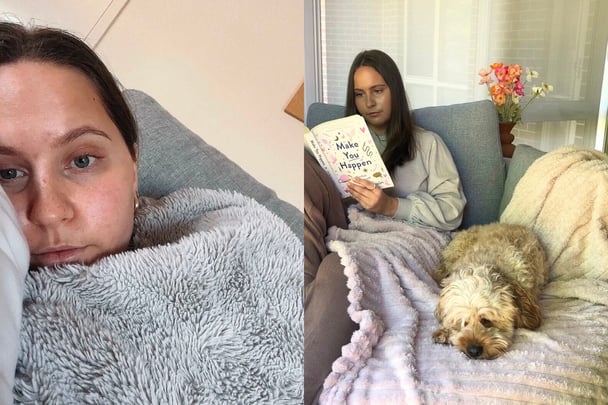
Pretending is a skill many women with invisible illness develop, not out of choice, but necessity. The pressure to appear productive, positive, and capable while quietly battling pain, fatigue, and uncertainty can be exhausting, isolating, and damaging to our sense of self.
Living with chronic illness doesn't just affect your body, it reshapes your identity. You grieve the life you thought you'd have, the career milestones that now feel out of reach, and the version of yourself that could just "do it all".
Every day, you find a way to keep going in a world that doesn't always understand your limits, balancing other people's expectations with your own needs, learning to speak up for yourself, and recognising that it's an ever-evolving process. It's a constant balancing act: honouring your limitations while fighting to be seen and believed.
How to navigate this hard path.
Through hosting the Before You Bloom podcast, I've spoken to countless women navigating chronic illness, health challenges, and trauma. We share stories of identity loss, medical dismissal, and the quiet ways illness touches every part of life, from career to relationships, finances to mental health.
These conversations have taught me that while chronic illness can feel isolating, it doesn't have to be invisible. We can reclaim our voice, our agency, and our self-worth, even in the face of ongoing symptoms.
Here are some lessons I've learnt along the way that may help others navigate chronic illness:
Give yourself permission to grieve.
Chronic illness often comes with loss. The loss of function, career opportunities, social freedom, and the life you imagined.
Naming your grief and expressing it through journaling, therapy, or trusted conversations helps you process the identity shift and prevents it from quietly eroding your wellbeing, allowing you to heal, adapt, and rediscover parts of yourself you might not have known before.
Advocate for yourself, even when it's hard.
Women's pain is often underestimated, and delays in diagnosis or treatment are common.
Learning to communicate clearly with healthcare providers, bringing notes or symptom trackers, and trusting your lived experience can make a significant difference. Remind yourself that you are the expert on your body because you are the one living in it.
Build your support system.
Chronic illness can be lonely, especially when friends or colleagues don't fully understand. Connecting with others who share similar experiences, through podcasts, online communities, or support groups can help you feel seen and understood.
Even one person who "gets it" can make a huge difference. It can reduce internalised stigma, validate your experience, and you may even help someone else feel less alone in the process.
Honour your limits without shame.
Productivity culture often tells us to "push through," but doing too much can worsen symptoms and prolong recovery. Listen to your body, pace yourself, and prioritise rest when needed.
Celebrate small wins.
Progress isn't always linear, there will be days when things feel like they're moving forward and others when it feels like you've taken ten steps back.
But intentionally acknowledging the small wins helps retrain your mind to notice progress rather than only setbacks. Over time, these small wins accumulate, creating meaningful momentum and a deeper sense of self-trust.
While chronic illness changes your life in ways you can't always predict, it also opens the door to discovering a new version of yourself, one you can respect, love, and even be proud of.
You may grieve parts of your old life, but over time you begin to uncover strengths, priorities, and joys you might never have noticed before. You begin to understand what really counts, and build a life that reflects who you've become, what you value, and the strength you've gained along the way.
Endometriosis, like many invisible illnesses, affects far more than the body. It challenges identity, disrupts careers, strains relationships, and silently affects mental health.
Yet women are rarely given the tools, understanding, or validation they need to navigate it fully. Sharing our stories, advocating for our health, and supporting each other are essential steps toward creating a culture where invisible illness is seen and believed.
Listen: All the places that endometriosis can be found. Post continues below.
If you're living with chronic illness, it's okay to not be "fine". You're not failing because your body has limits, you're doing the best you can in circumstances that are often unfair and isolating.
Give yourself permission to grieve, reach out for support, speak up for your care, and celebrate the small wins along the way. Over time, you can reclaim a sense of self and build a life that feels meaningful, even if it looks different from what you once imagined.
Chronic illness has rewritten my story, but it hasn't erased my voice. It has taught me further resilience, empathy, and the importance of visibility.
I now share my journey openly through the Before You Bloom podcast, speaking honestly about the highs and lows and rebuilding life after unexpected change.
My hope is that by sharing these stories, both my own and those of others, we can begin to dismantle the stigma surrounding invisible illness and create a world where women are believed, supported, and seen.
Feature Image: Supplied.
Want to win a $1000 gift card in just 8 minutes?
Obsessed with all things beauty and skincare? We’d love to hear from you!
Take survey →Hayley Kinneavy
Author
No Comments
Be the first to leave a comment