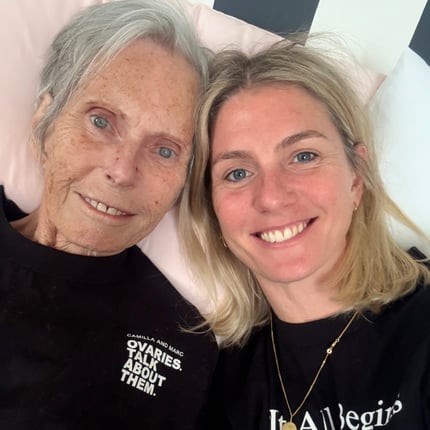
Six months ago, I lost my mum.
After bravely battling aggressive ovarian cancer for just over five years, in the end, she chose to end her own life through voluntary assisted dying.
She was done. And honestly, so were we.
Despite knowing from the moment of diagnosis that her cancer was incurable, there's no way to soften the blow when you're told you're going to lose someone you love. Your entire world is tipped upside down in a single moment, and you see everything with a new perspective.
Watch: How do you move through grief. Post continues below.

Although my beautiful mum never wanted to be told how much time she had left to live, there was an unspoken understanding that, due to the type of cancer she had and the fact that it was already at stage three — metastasising beyond any borders, that would have promised a better outcome — that she didn't have long.
At least, not long enough.
Initially, she considered herself lucky, responding well to the initial rounds of aggressive treatment and even experiencing some periods of stability in between courses of chemotherapy. That's not to say she was spared the side effects, but for the first couple of years, she coped remarkably well.
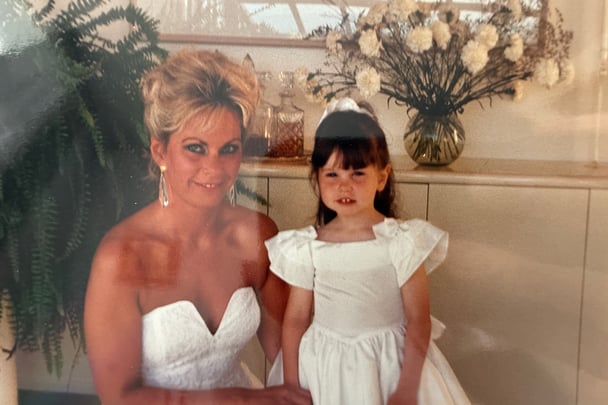
In the end, however, the periods between rounds of chemotherapy got shorter and shorter, the options for treatment reduced significantly and, eventually, stopped working entirely.
Nothing more could be done.
In the final few months of her life, cancer had already stolen so much and there was a recognition amongst our family that we were now simply waiting for her body to give up completely.
She refused to accept the indignity of waiting to die and so, she chose another path. At 10am on Tuesday, 4th November, she decided to end her own life through voluntary assisted dying.
Alongside my dad and brother, I watched as my mum took her final breath, fading into stardust with a smile on her face.
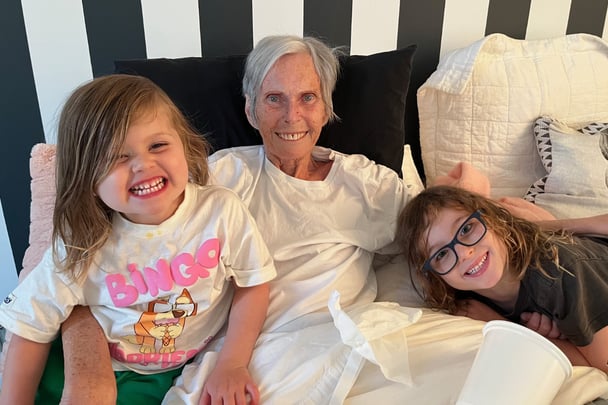
At the time, the grief knocked me sideways, but there was also immense relief. Finally, she was out of pain and our collective suffering was now over.
But I also naively thought that perhaps, the worst thing imaginable had already happened. I could never have anticipated that six months on, I'd still be sitting in the rubble, trying desperately to hang onto the pieces of myself that existed when she was still alive.
After someone passes away, there is a flurry of activity as people gather and they share their condolences.
If you're lucky, they also sometimes offer to help with the mountain of admin that comes with death. They cook, care, and consider your feelings at every interaction. Adrenaline is also a remarkable survival mechanism and your brain fools you into thinking that perhaps you're okay.
The grief is always there, but at times it feels blissfully out of reach.
Then one day, you wake up and it's back. It's as if no time has passed and despite everyone in your orbit returning to regular programming, you find yourself stuck again.
Recently, my grief has felt more tangible than ever. The tears have come in terrifying waves and sometimes, I struggle to see how life will ever return to any form of equilibrium. Six months is not enough time to be okay and, if anything, it's only now that I think the absence of my mum has truly landed.
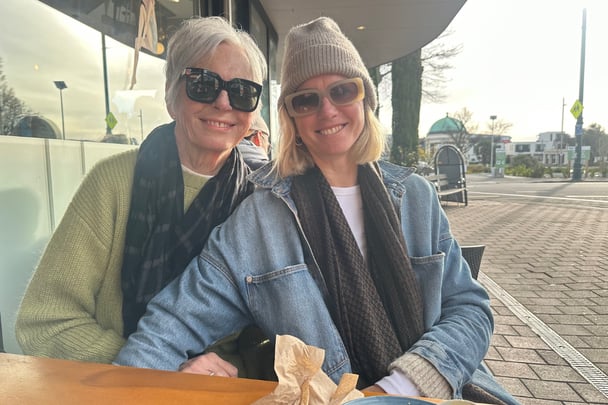
I've also really struggled to parent two young children while also processing the loss of her. I've found myself, at times unwillingly, stepping into the role of matriarch even though I don't feel remotely ready for it. It feels so disorientating living in a world where she no longer exists and yet, despite accepting the loss, so often I find myself reaching for my phone to message her — before remembering, there is no one on the other end to receive it.
What I have been able to process with time, however, is that there is a complexity to grief that people don't speak about.
That is: how somebody dies.
We speak about grief as if it is some universal experience, as if it follows a predictable roadmap that we will all find ourselves navigating one day. But it's simply not true.
The how of it all matters and the circumstances that surround a death very much impact how you experience that loss as well as how you process it.
Having witnessed loved ones experience sudden loss, there is a level of incomprehension that arrives with unexpected grief. The acute shock can be paralysing.
But long, agonising, protracted loss carries the pain of anticipatory grief, a layer of exhaustion and unending trauma as you watch someone you love slowly disappear. When someone chooses voluntary assisted dying — and when you know the exact minute your mum is going to die — that grief morphs into something else entirely.
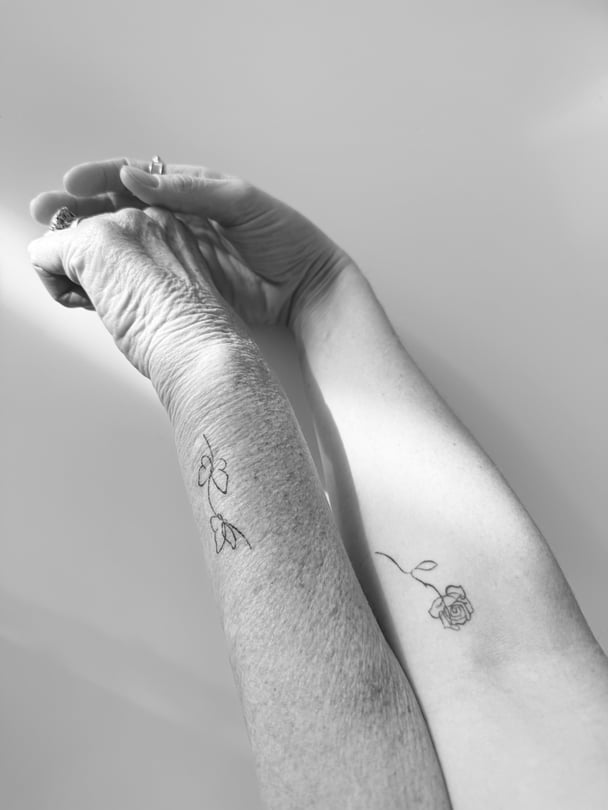
I feel profound peace that she was brave enough to choose another ending and that we could be at her side as she closed her eyes for the final time. But honestly, there is no way to describe how it feels to count down the moments of someone's life whilst simultaneously trying to remain present enough to love them through it.
We all wish grief were simple, but I guess all I can say is grief is also layered and if you're supporting from the sidelines, don't expect six months to be long enough for that person in your life to be okay. They don't need to be told that time will heal, they don't need to feel like they're 'failing' at grief.
The truth is, they probably already feel that way sometimes.
Listen: In this intimate No Filter episode, Stephanie and Marie sit down to speak candidly about survival, visible scars, grief, and the bond that carried them through unimaginable loss. Post continues below.
Six months on from my mum's death, I know I'm no longer simply surviving, but learning to live with my loss.
Those feel like very different things. It feels as though every cell in my body has shifted to make space for her and the grief is not only about what I have lost, but all the future memories she will never be a part of.
The truth is, grief is not about letting someone go, healing a wound or moving on.
Instead, it is about learning how to keep loving them, even after they're gone.
Read more from Ashley Lowe by subscribing to her newsletter, In The Thick Of It
Feature Image: Supplied.
Win a $1000 voucher!
We want to ask you a few questions about multivitamins. Complete our 3 minute survey for a chance to win a gift voucher in our quarterly draw!
Take survey →Ashley Lowe
Ashley Lowe is a writer based in Sydney. She writes about the things that rearrange you: grief, motherhood, identity, creativity—and what it means to understand a life while you're still living it.
No Comments
Be the first to leave a comment