
This article is a part of Minister for Foreign Affairs, Julie Bishop’s, ongoing contribution to Mamamia.
Australia has held two national plebiscites, also known as advisory referendums, where the government of the day sought a mandate from the Australian people on a contentious issue, but which did not require changes to the Constitution.
Both these national plebiscites were held during World War I on the emotive and controversial proposal to introduce conscription (both votes failed).
Many other previously contentious issues have been taken to the public through referendums, including an attempt to ban the Communist Party, government control over prices and granting Aborigines the right to vote.
There have been 44 attempts to amend the Constitution with eight successful proposals.
Ireland recently decided to hold a referendum on the issue of same sex marriage, which passed with more than 60 per cent support.
This was hailed as a triumph of democratic process, with United Nations Secretary General Ban Ki Moon saying that, “The result sends an important message to the world: All people are entitled to enjoy their human rights no matter who they are or whom they love.”
There is a debate within Australia as to how the issue of same sex marriage should be resolved.
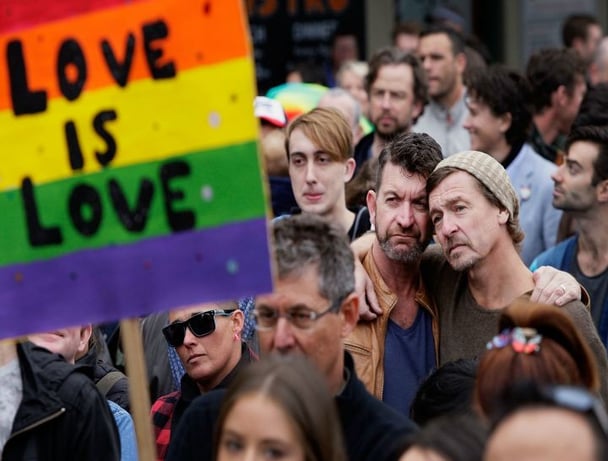
Recognition of same sex marriage does not require a change to our Constitution. Therefore it is not necessary to hold a Constitutional referendum, which requires a national majority in addition to a majority of voters in a majority of states.
The Coalition took a commitment to the 2013 election that there would be no change in this term of Government to the Marriage Act – which defines “marriage” as between a man and a woman.
There have now been calls for the Australian Parliament to decide during this term on changes to the Marriage Act to recognise same sex marriage.
The process by which an outcome is achieved is unquestionably as important as the issue itself – this is why we held a positive and inclusive debate in the party room last week.
While there were very strong views held on both sides of the debate, the majority of Coalition Members and Senators were in favour of honouring the election commitment to the Australian people of no change to the Marriage Act in this term of Parliament.
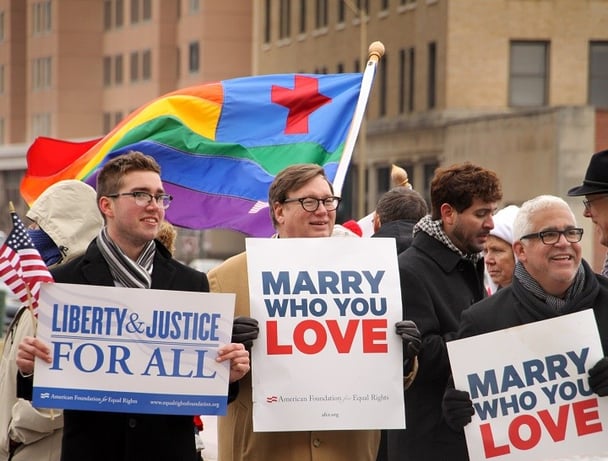
The Government will respect that view. However we believe that the Australian people should have a direct say on this issue.
Recent polling indicates more than 70 per cent of the Australian public support a plebiscite.
The Prime Minister has stated that the issue will be taken to the Australian people for a vote during the next term of government. We will determine the mechanics and terms shortly.
It is important to note that the Labor party has not adopted any policy of amending the Marriage Act, despite the frantic efforts of some Labor MPs to mislead the public into thinking otherwise.
Labor has only committed to allowing its MPs and Senators a conscience vote, should the matter come before the parliament.
It is evident that some Labor MPs and Senators do not support changes to the Marriage Act and Labor is desperately trying to paper over its internal divisions.

There are very strongly held views on both sides of the debate. Advocates on either side of the debate can now argue their case before the Australian people.
I believe that this is a fundamental issue that goes to the definition of the family unit. The Australian people should be given the choice to decide how marriage should be defined in 21st century Australia.
More of Julie Bishop’s columns can be found here:
Julia Bishop on why she does not support quotas for women in parliament.
Julie Bishop: “A year on, we continue to grieve for those aboard MH17.”
Author
No Comments
Be the first to leave a comment