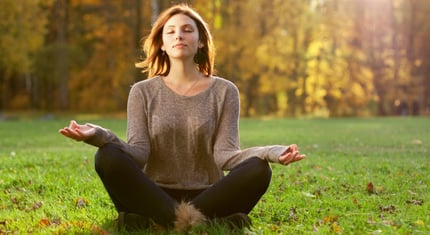
Image via iStock
We’re constantly hearing about the power of meditation and mindfulness, as ways to heal and calm our mind and body among the chaos of our busy lifestyles.
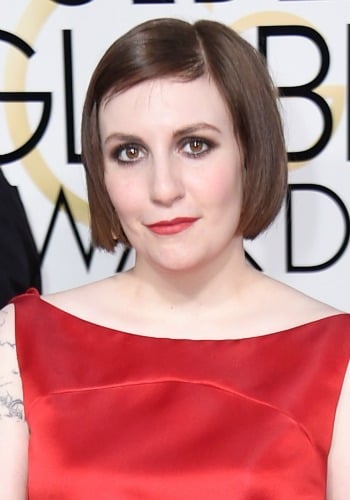
Gwyneth Paltrow does it regularly, Jennifer Aniston swears by it and Lena Dunham sings its praises. Even Hugh Jackman says it “ changed his life “.
RELATED: Why ‘wellness’ isn’t the solution to being overworked
Yet despite all the hype, some recent studies in both the US and the UK have thrown up some alarming findings: that the treatment can trigger mania, depression, hallucinations and psychosis in some people.
Transcendental meditation is the most popular form among celebrities and CEOs alike, and is described as a “simple, natural, effortless technique practised 20 minutes twice each day while sitting comfortably with the eyes closed.” (Post continues after gallery.)
Celebrities who meditate
Katy Perry
Image via Instagram/katyperry
Hugh Jackman
Image via Instagram
Ellen Degeneres
Image via Instagram
Jessica Hart
Image via Instagram
According to the Transcendental Meditation blog, over six million people have learned it. Studies also suggest meditation can help with anxiety, reduce stress levels and could even be as effective as modern medicine in beating depression. So what’s the problem?
For many people, meditation and mindfulness are ways to block out the outside world and focus in on ourselves. As a result of the intense concentration and deep thinking, it can force us to confront our worries and fears that everyday activities like watching TV, being surrounded by people, eating and drinking allow us to ignore.
RELATED: “Meditation is my personal hell.”
A US study by David Shapiro, a professor at UCLA Irvine, looked into the effects of meditation retreats. Examining 27 people with varying levels of meditation experience, he found over 60 per cent had suffered at least one negative side-effect, including panic, depression, anxiety, pain or confusion, after attending one of these retreats.
Seven per cent had experienced profoundly adverse effects.

While it's certainly true that several days of meditation, as would be experienced on a retreat, would be overwhelming to someone who was new to the practise, Dr Shapiro found that the amount of experience made no difference. In fact, an early study had even found those with more experience had had considerably more adverse effects than the beginners.
Life coach Stephanie Kakris says the emotions that come with meditation can feel overwhelming at first.
"As children we are told to 'calm down', 'don't cry' and 'there's nothing to be scared of'. We are taught that our emotions are wrong. When we start feeling them as adults it's no wonder it can be scary," she says.
RELATED: 7 reasons why having a good cry is great for your health
"This is where the potential adverse effects of a meditation retreat can come in, if the education or support is lacking with respect to feeling the emotions. However, if handled correctly, and we allow ourselves to feel the fear, have a good cry or express some anger out in a safe environment, incredible peace and calmness can be felt."
In some situations, this can be beneficial. But studies suggest it could also cause the very thing it tries to cure. So is meditation really for everyone?
According to counsellor and mindfulness practitioner Rachel Davey, the clear advice for mindfulness meditation (or Mindfulness Based Cognitive Therapy MBCT, which has a very solid evidence base on the prevention for relapse of depression) is that it should not be practised while you are currently experiencing clinical depression. (Post continues after gallery.)
Famous women talk about their mental health
Anne Hathaway
Kylie Minogue
Beyonce
Lady Gaga
Serena Williams
Catherine Zeta Jones.
J.K Rowling
Author
No Comments
Be the first to leave a comment