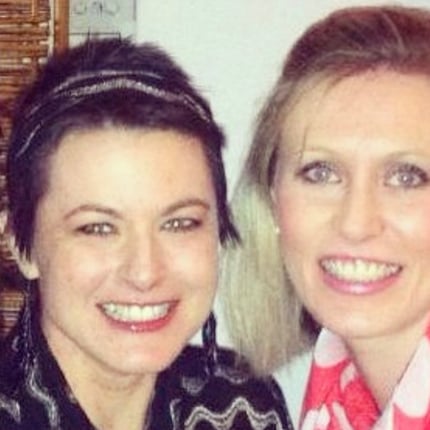
In a few weeks, it will be 13 years since my sister Wendy died. I thought by now it would be easier.
I thought that I would be able to read about another woman taken too soon — this time by the same cancer as Wend — without feeling it quite so viscerally.
But I guess that's the thing about grief. The body remembers. It takes you right back there before you even realise it.
You never know when that wave is going to crash and knock you back over again. Some days are predictable — birthdays, Christmas, anniversaries — but other days still knock me flat, catching me off guard.
Seeing the photo of Mel Schilling with her husband and daughter earlier this week and reading his beautiful tribute, my heart ached for them and for everyone who loved Mel.
His words, "life is fleeting, fragile, and tomorrow is promised to no one," ring painfully true.
Watch: You have to let the wave of grief take you. Post continues below.

When my sister died, leaving behind her two incredible daughters, I became fearful of dying young and doing the same to my son.
Our grandmother died in her fifties from the same cancer. Wend died at 37.
I was scared. I still am, if I'm being honest.
I became focused on giving my son the best childhood experience possible.
I wanted to fill his world with wonderful moments, rather than memories of his mum being constantly sad because her sister had died.
I make sure we go on holidays, even if it's just a hotel stay in the city we live in. We celebrate life and don't sweat the small stuff. I've encouraged him to run hard at life, despite the sadness.
I want him to know it's okay to feel sad, but not to wallow for too long, to simply soak up all the good stuff while you can.
I ugly cry in the safe space of my besties. I don't want my son to ever feel like he has to carry me.

Mel's advice to get checked if something doesn't feel right is a message Wend made sure we all heard too. I now have to have regular colonoscopies to try to stay well.
Wend told me I wasn't allowed to feel guilty for being okay when she didn't get the chance. Her tumours were found too late; she was Stage 4.
But guilt is a hard thing to shake, even if it is a wasted emotion. Every time I go in for that procedure, I am equal parts scared at what they'll find and grateful I am being looked after.
Over the years, I have often been asked by friends and colleagues: "What is helpful for someone who is grieving? What do you say?"
13 years later, my answer is still the same: You don't have to have the right words. There are no right words when someone has just died. It's devastating, and no one can make it better.
Just showing up is often enough. With food. Food is such a powerful gift, because it means the person grieving doesn't have to think. And don't feel pressured to do this in the first week. That's when lots of people show up and send thoughtful things.
But in the weeks that follow — when everyone else's life has essentially gone back to normal — the person who lost a loved one is still trying to get through each day. Food is still an amazing gift weeks later, months later, on anniversaries, or just when you think of them. Knowing you're thought of is a gift in itself when you are crumbling.
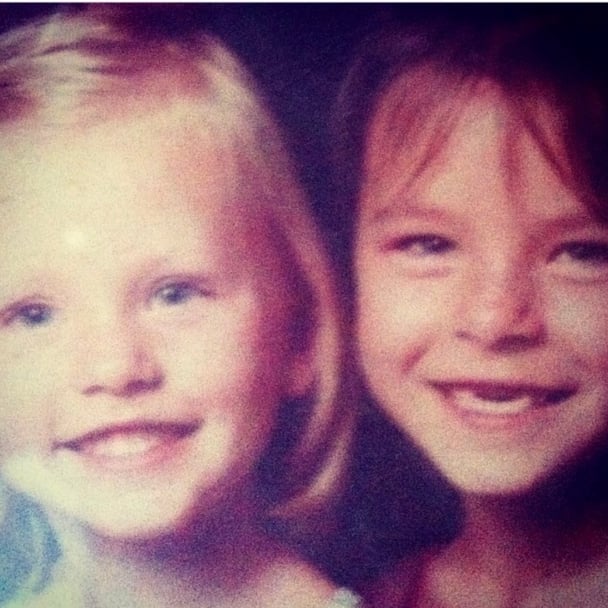
In the weeks after Wend died, a former colleague sent me a box of yellow things in the mail.
She had filled it with yellow nail polish, a yellow mug, so many little yellow things — some of them so silly and cute — wanting me to remember sunshine on the rainy days. I still use that mug and think how lucky I have been to have people who care enough to do such thoughtful things.
I had school mums who pooled together and bought gift vouchers for a shop near my house that sells fruit and veg and ready meals — so I could grab a few things when I didn't know what to make for my son and me.
If you know the person well enough, pop over and do some laundry. Their sheets and towels likely need changing, but they won't be thinking about it—and they definitely won't ask.
A friend of mine used to pop over with a coffee and a treat, make me sit down and vacuum. I was useless fighting her, she just did it every week, so I didn't have to.
It was one less thing to worry about or feel guilty for neglecting.
Another friend arrived every week or two with a BBQ chicken, salad and chips. Perfect. My son's godparents had us over for a weekly meal and always sent me home with leftovers.
When you ask someone who is grieving what you can do to help, they often won't have an answer because they aren't thinking straight.
If they have kids, they are probably focusing on the absolute essentials for the children — not thinking about themselves at all.
At least not until they're in the shower crying before facing the world with a smile again, trying to be brave. I know I'm not alone in that.
Listen: What the 5 stages of grief are and why they matter. Post continues below.
There are so many things that seem small and insignificant but are actually huge.
Take their kid out to do something fun. Even for a short time. Instead of sending a message asking how they are, send something else — anything, really.
A photo of something cute, an emoji of sunshine or a poop emoji, because everything really is a bit sh*t right now.
Whatever appeals to them, is the right thing. You don't have to say anything groundbreaking. Grief is a significantly crappy ride.
To the people in Mel's world, and to others carrying grief as part of your every day: my heart is with you. Be kind and gentle with yourself, and suck every bit of joy you can out of life whenever you can.
Feature Image: Supplied.

Sign up to Mamamia Daily
Sent daily
Clare Elsworth
Author
No Comments
Be the first to leave a comment