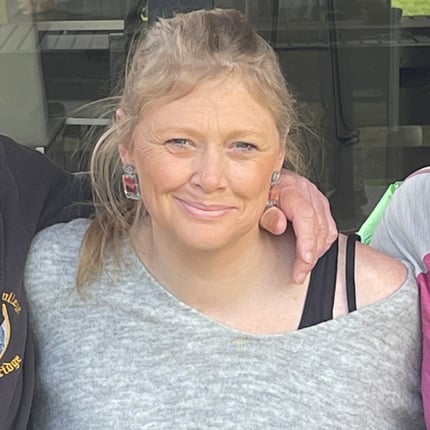
Naomi was 33 when she knew she'd never be a mother.
When her dream of a natural pregnancy hadn't become a reality, she and her husband tried IVF. Then naturopathy. Then acupuncture.
Any fertility treatment that might grant them a miracle, the couple tried with increasing desperation.
But nothing worked.
"The pain of not being able to conceive… the one thing that seems to be the most natural thing in the world, I couldn't do," Naomi, now 44, told Mamamia.
"As a woman, I felt like I'd failed."
Watch: When to seek help with fertility concerns. Post continues after video.

The truth, however, is that one in six people and couples experience difficulty conceiving.
"Many of us grew up believing pregnancy is easy — that if you're in a heterosexual relationship, it will 'just happen,'" said Rebecca Kerner, the Chair of the Australian and New Zealand Infertility Counsellors Association ( ANZICA).
"The reality is very different."
Kerner, who specialises in relationships and infertility, also said there are "widespread misconceptions about IVF."
"It's often spoken about as a cure for infertility, when in fact it's a treatment option — and a demanding one," the senior counsellor and psychotherapist told Mamamia.
According to research from the European Society of Human Reproduction and Embryology, "someone undergoing IVF misses an average of 23 hours of work per cycle, and even more when donor conception or surrogacy is involved".
"Globally, the chance of success is less than 30 per cent per IVF cycle," Kerner added.
"On top of this, fertility treatment rarely replaces everyday life — it's layered over it. Appointments, procedures and recovery have to be squeezed around work, relationships and family commitments."
In Naomi's case, her fertility appointments were interrupted by frequent trips to the doctor to drain her pelvic cysts.
"It was getting more and more painful each time. The cysts were also in my fallopian tubes," Naomi said.
Eventually, at 33, she was advised to have her uterus removed (otherwise known as a hysterectomy).
For her health, Naomi knew it was the right call. But she also knew what it meant for her future.
"When you're going in for that surgery, you're like, 'this is it, there's absolutely no chance I'll be able to conceive'," Naomi said.
"Before that, in the back of your mind, there might be that tiny per cent that is hanging onto the hope that you do get pregnant."
The recovery was difficult. Physically, Naomi was sent straight into menopause. Emotionally, she was grieving a baby she would never have.
"My husband and I did consider surrogacy or adoption, but it's so expensive," she said. "It was just not a path that we, unfortunately, explored enough because it took me so long to recover."
Then, in what was the most difficult period of Naomi's life, she received bittersweet news from her sister.
It was a conversation she will never forget.
"I remember the call so clearly," she said. "I remember where I was, what I was doing."
The phone burned next to Naomi's ear as her younger sister told her she was expecting a baby.
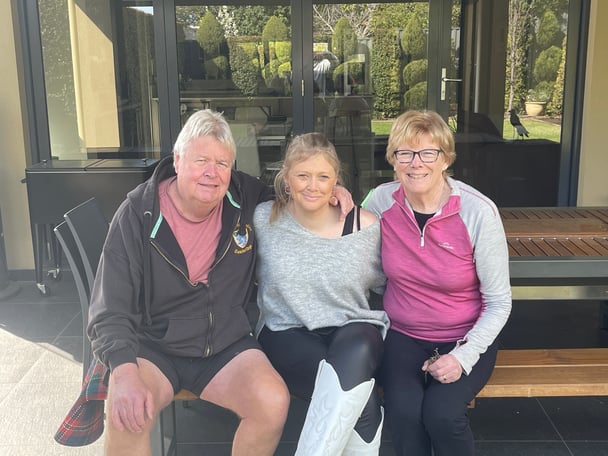
In that moment - though her heart was in her stomach - Naomi summoned the resilience of an eldest daughter.
"It was one of the most emotionally confusing periods of my life," Naomi said.
"I loved my sister deeply and was genuinely happy for her. And, at the same time, I was grieving something that felt very real and very heavy."
As soon as the call ended, Naomi let the dam break. She called her mum in tears.
"You know, don't you?" her mum greeted her.
"Yep. And I don't know how to handle it," Naomi replied. "I don't know how I'm meant to be feeling."
This wasn't the way things were supposed to go. Naomi was the eldest; she was supposed to have the baby first and impart her wisdom on her younger sister.
"The joy I felt for her sat alongside sadness, jealousy, shame, and a constant sense that I was falling behind in a life I had imagined would look different by now."
Amid a storm of emotions, Naomi felt more alone than ever.
Still recovering from her hysterectomy, she found herself unable to sleep next to her husband.
"It sounds really strange, but that bed was the place where we were going to make babies," Naomi said. "So I slept on the couch for years. I slept in the spare room."
Eventually, the relationship fell apart.
"There were a lot of things that culminated in the end of our marriage. But I think it all comes back to the fact, I couldn't give him a baby."
From then, Naomi's friends avoided telling her when they were expecting a child.
"I was the last person to find out," she said. "With that comes resentment… but I now know that they were doing it to protect me."
It was better than the alternative; those who forgot entirely.
One family member left Naomi blindsided when they abruptly announced they were, "off to a baby scan".
"That was the way they announced they were pregnant," Naomi said. "My mum just grabbed my hand."
Whenever she could, Naomi protected herself from baby news and milestones… even during her sister's pregnancy.
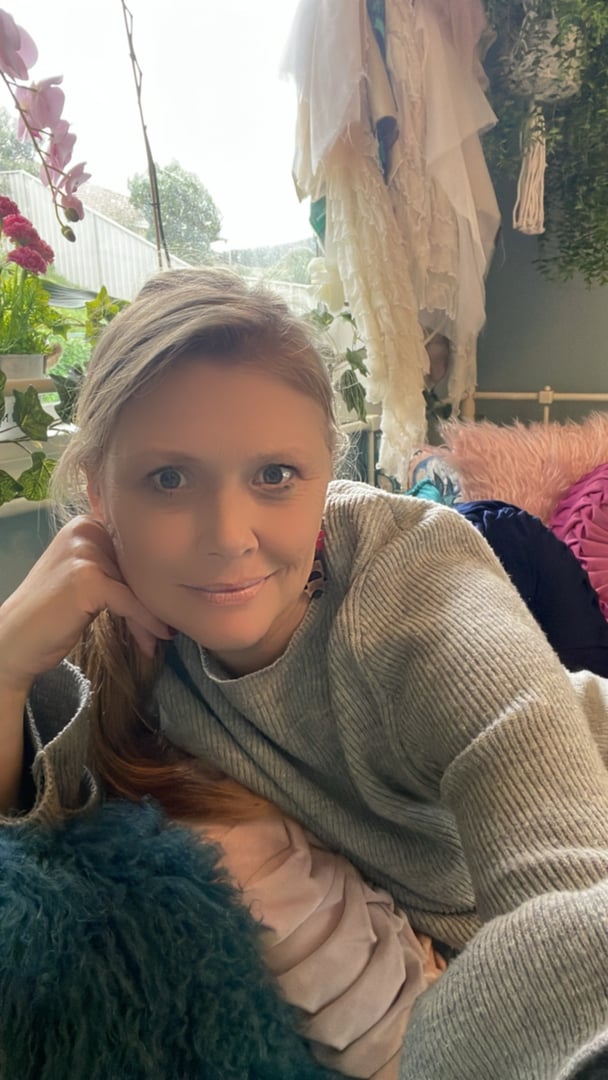
"I actually said to my mum, 'I don't want pictures of the scans,'" she remembered.
But it was an isolating existence.
"It was lonely, because the person I would normally turn to was living the life I desperately wanted."
When her niece was born, Naomi named a star after her. But she put off meeting the baby until she "felt strong enough".
"I knew it would just be too tough," she said.
Nine months later, the moment came. And while it was "phenomenal" to hold her baby niece, Naomi could only hold it together for so long.
"I came home and broke down. I just lost it."
To this day, any time Naomi holds a newborn, she will "go home and cry for three days".
Friends with kids, who would once relate to Naomi, now turn to other mums when their child won't sleep.
"Infertility doesn't just affect your body; it reshapes your relationships, your identity, and the way you move through family moments," Naomi said.
From feeling "guilty for finding baby announcements painful", to "selfish for needing space from conversations about pregnancy and motherhood".
"I smiled through milestones while privately breaking down later, unsure where my feelings were allowed to exist," she said.
"I often wondered if there was something wrong with me for feeling both joy and grief so intensely."
For Naomi, 'good days' can turn into 'bad days' at the drop of a hat. Like the time she found out her ex-husband was expecting a baby with his new girlfriend.
"That has probably been the hardest thing to deal with… I know he'll make a fantastic father but, at the same time, that was meant to be me."
While Naomi isn't convinced that the "pain will ever go away," she is focused on being the best aunt and godmother to the kids who are in her life.
"I just have to keep putting one foot in front of the other and realise that I have so much love to give," she said.
"If sharing my experience helps another woman feel less alone, or gives language to emotions she has been carrying quietly, then it feels worth telling."
For women struggling with infertility, resources are available.
"Support from a trained professional who specialises in fertility and donor conception can be invaluable," said ANZICA's Rebecca Kerner.
"Many clinics offer counselling as part of treatment, and there are also independent specialist counsellors available.
"If you're looking, ANZICA has a Private Practitioner list via the Fertility Society of Australia, and this is a good place to start."
Feature Image: Supplied

Sign up to Mamamia Weekend Reads
Sent weekly
Catie Powers
Author
No Comments
Be the first to leave a comment