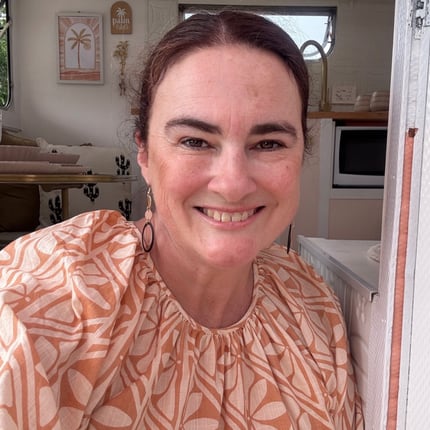
I recently fulfilled a lifelong dream and bought a renovated vintage caravan. Of course, one of the first things people asked was, "Who is going to tow it?"
The question set off a montage from the moment I lost my husband to a sudden heart attack a decade ago, through all the things I've "towed" independently since. I've raised three children, buried my mother, grappled with the family's mental health and neurodiversity diagnoses (including my own).
I've packed up our life, sold the house, and touched the earth underneath the smaller house that I built from the ground up as our 'soft place to land'.
Watch: Elizabeth Gilbert talks about moving through grief. Post continues below.

I've written books, faced a fear of public speaking, spoken out for heart health awareness, co-written a musical, survived remote learning during the pandemic as a sole breadwinner, lost the roof of the house and two cars in a hail storm, watched a family member survive childhood cancer, lost the dog my husband gave me.
In short, I will learn to tow the van.
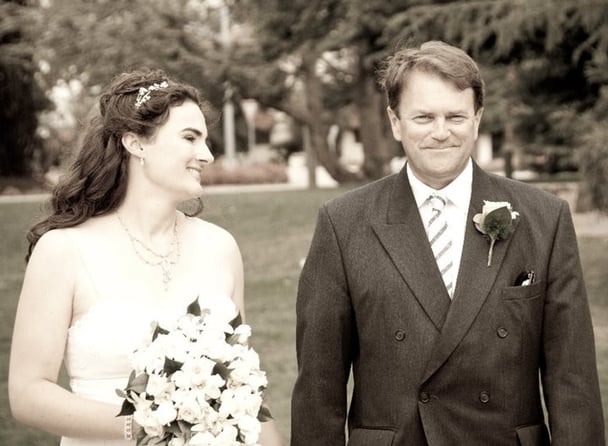
When Jeff died, I was 42. I recall someone pointing out that my longest relationship might still lie ahead of me. People tried to ease my grief, assuring me I would meet someone else, as if being single was the problem and another man was the solution. Grief tore open a wound and people wouldn't let it breathe. They wanted me stitched up and moving on as fast as possible, because this was not fun for any of us, my being miserable.
I've been a romantic since the moment I fell in love with Gilbert Blythe at fourteen. My parents were together 72 years. "Write Hallmark Christmas movie" is on my to-do list. I've written novels about middle-aged women falling in love after loss with the most glorious, compassionate heroes.
I believe in love. I'm just not actively searching for it.
When I was newly widowed, I found it impossible to imagine I would stay single for the rest of my life. That seemed terrifyingly lonely. I left open the possibility that, down the track, I might meet someone. Early on, I invented some brooding Irish widower, ricocheting from his own loss on the other side of the world, gradually making his way to me.
Over the next few years, that vision faded as I clawed my way out of the pitch dark, grasping for any glimpses of light, no matter how weak or fleeting. I worked hard to heal the gaping wound my husband left, and every painful stitch was my own. I learnt photography, met incredible new people and formed deep, satisfying friendships. I decorated my home in a style that my husband would have loathed, grew a garden from scratch and watched my children push through adversity and thrive.
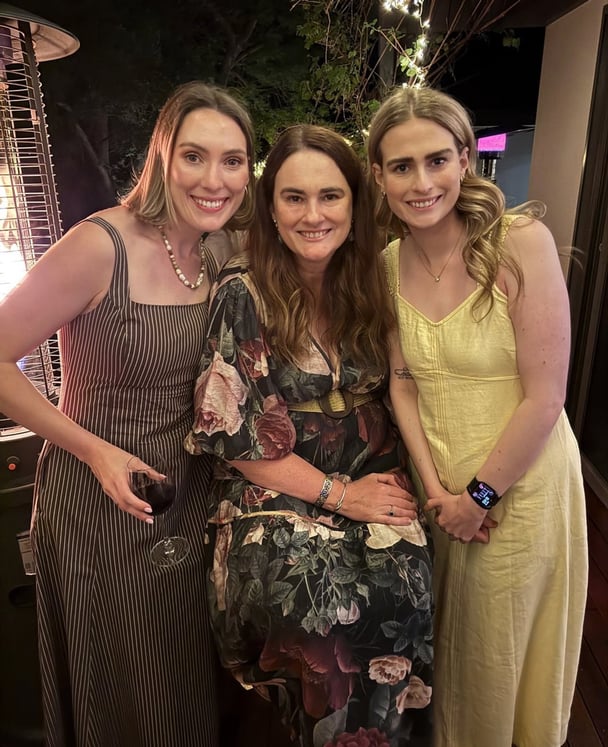
When I turned 40, I had a burst of excitement and optimism about middle age. By 42, that had been dashed. I remember reading that in the first year after her husband dies, a widow's only job is to keep herself alive.
There were times early on in my grief when that became a very real challenge for me.
Painstakingly rebuilding that sense of optimism so that I turned 50 facing forward instead of back feels like the greatest accomplishment of my life. One day at a time, with endless support from family and friends and with a lot of scrambling up and falling over, I staggered into a Plan B life. It's not one I asked for. I wasn't "strong". I was forced to piece this mosaic together out of our family's personal apocalypse.
But somehow I've fallen in love with the result.
By opening up to small enjoyable things, one after another over ten years, life has gradually become so rewarding and full that when people ask now if I might want to re-partner at some stage, I struggle to imagine where this person would fit. (He certainly wouldn't fit in my 10-foot caravan.)
It's a conversation I have with other widowed or divorced women in their forties and fifties who, like me, are embracing independent lives, forging strong new identities in middle age that feel "complete" just as they are.
Some feel liberated from previous difficult or exhausting relationships. Others are simply finding new paths to happiness. Some entertain the idea of a new partner, but with a notion to keep separate households and lives. Others have re-partnered blissfully, and I love that for them.
Listen to Mamamia's podcast, But Are You Happy? This episode explores The 'Right' and 'Wrong' ways to grieve. Post continues below.
Of course, now that I've made a song and dance about this, my mythical Irish widower may well present himself and find my gaze firmly locked on the future I've been carving without him. It's probably nothing a little Gilbert-Blythe-level-extraordinary couldn't sway.
Separate caravans, naturally.
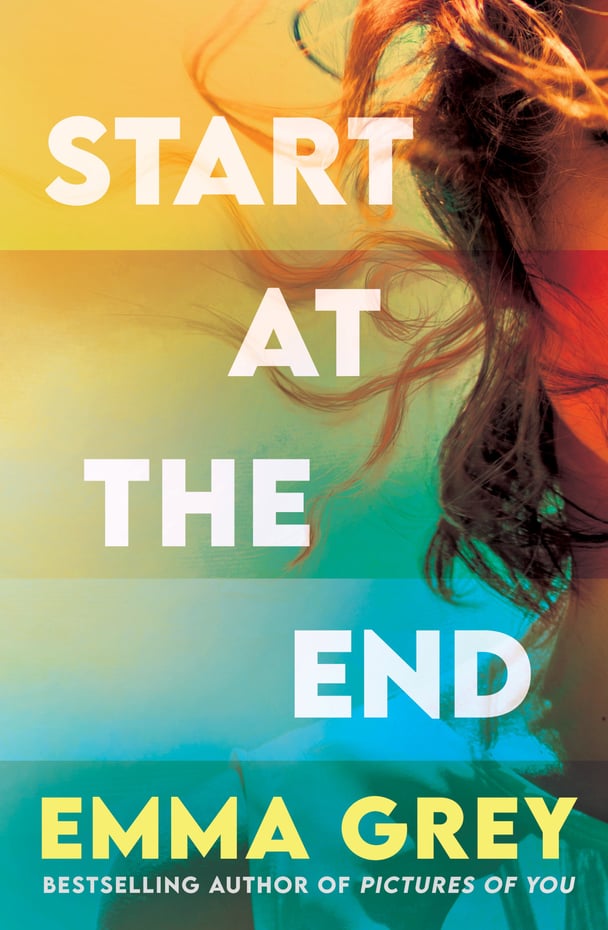
Start at the End by Emma Grey is available from 31 March.
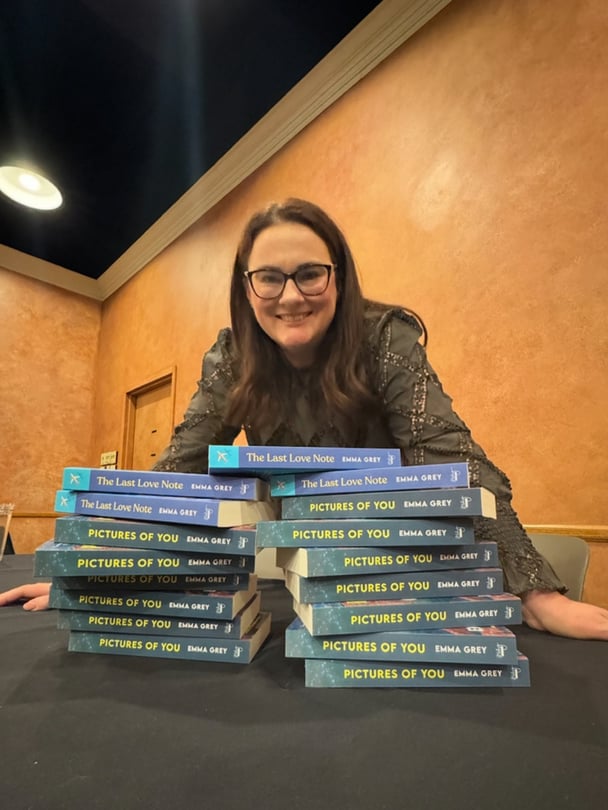
Emma Grey is the USA Today bestselling author of seven books, including The Last Love Note and Pictures of You, which has been optioned for television. Her latest novel, Start at the End is being billed as P.S. I Love You meets Sliding Doors. She lives near Canberra, and her vintage van Betty is her happy place.
Feature Image: Supplied.
Calling all Australians aged 18+!
We want to know about your relationship with insurance products. Complete our survey now for a chance to win a $1,000 gift voucher in our quarterly draw!
Take survey →
Sign up to Mamamia Daily
Sent daily
Emma Grey
Author
No Comments
Be the first to leave a comment