I tip the bottle back in the shower and gulp fast, marvelling at my ingenuity.
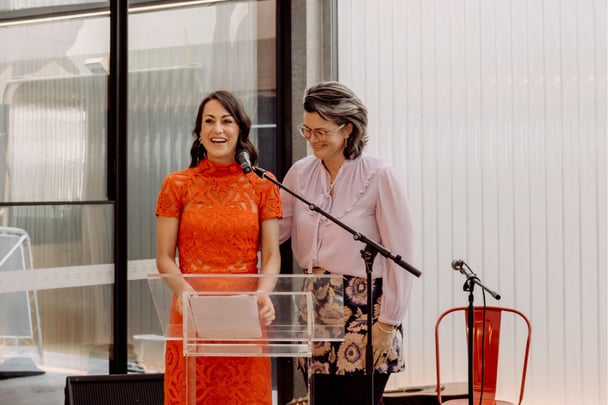
The Tasmanian Premier is about to launch my travel book to a couple of hundred guests while I secretly swallow Skyy vodka from a shampoo bottle.
Deep inside, I don't feel enough to stand before that crowd without my 'liquid worthiness'. No one on that guest list would know alcohol has taken me to rehab 26 times.
Tonight is a big one, reflecting years of work. My dress is laid out, my speech folded neatly beside it. I know its pages by heart. I want the crowd to feel the love I have for this island.
Downstairs, my family happily chatters. They're long weary of alcohol crashing special moments and Mum has probably checked my usual hiding spots, like deep in the washing basket. But tonight I've outfoxed them with my genius shower plan.
Watch: How to Help Someone with Addiction. Post continues below.

I lived this tightrope for years. High-functioning writer, secret drinker.
Just a little, I tell myself. Just enough to perform.
As I swallow the last mouthful, my merriment turns to sensory shock. I clearly didn't wash the bottle clean. A vodka-infused bubble bath plays out in my mouth; beyond revolting. I brush the disgust away, grabbing the toothpaste, then dousing perfume like it's going to erase my close encounter with spirits.
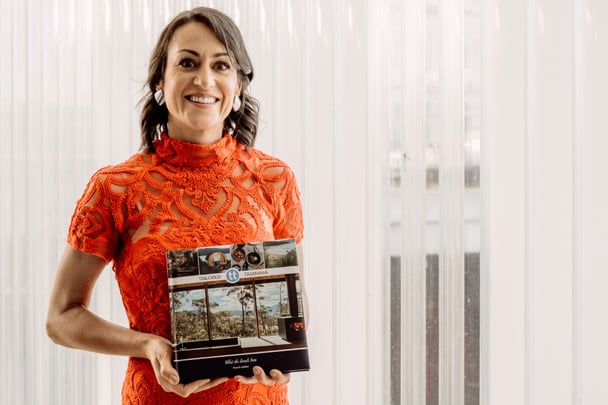
We step into the warm summer evening. Friends wave copies of Tailored Tasmania from the balcony for signings. The garden hums with live music and laughter. Then everything goes blank.
My next memory is waking to bright emergency room lights. Again.
How did I get here?
I grew up in a loving seaside family, one of five happy kids surrounded by friends. I was the good girl: a 98 Tasmanian Certificate of Education (TCE) score, a tennis scholarship to America. I even played the organ at church.
But inside, I was deeply sad. I carried what felt like an unspeakable secret.
In primary school, I was in love with my PE teacher. Naively, I thought all the girls adored her. Slowly I understood something else.
In 1990s Tasmania — where it was still illegal to be gay — what I felt was considered 'wrong'. The Catholic Church echoed this. It sure wasn't on trend to share who I was.
So I buried that part of myself. For decades.
Achievement became my replacement for the love I didn't feel society allowed. Tennis rewarded this laser focus, taking me on jet planes. But at 15, when someone handed me a sugary Sub Zero premixed drink, something shifted.
I felt free. If I had to kiss those boys, at least I could be drunk doing it.
Alcohol became my mask. My numbing agent. My way of coping with being untrue to myself.
Problem is, over time it became the answer to every uncomfortable emotion. It was my secret bestie, ready to fill my cup with the worthiness I lacked. Hollow, yes. But I believed in it.
If life hurt, alcohol promised sweet relief.
The revolving door.
Returning from the American degree, my drinking accelerated.
On the surface, life appeared glowing. I worked as Tourism Tasmania's in-house writer, published nearly 20 books and even built a little home featured on Grand Designs Australia. From the outside, I looked to be thriving.
Those close knew I was hurting, relapsing, and pulling the curtains shut on a bright world, which was agony to my aching head.
Life became a muddled cocktail of professional facades and waking to oddities: a block of cheese in my handbag after a dinner party, my wallet found on a roof. Hangovers stretched longer. Apologies were received more wearily. Every value I held sober vanished with a drink. My memory began disappearing in frightening blanks.
I didn't mind the lost keys or bruised knees, but tears streamed for loved ones I hurt and let down.
In 2008, my parents drove me to rehab for the first time. It felt utterly foreign. What had become of my charmed life?
Little did I know I would enter rehab 26 times.
Only those close knew about my revolving door of rehab. I've carried a lot of shame around this. I share it now in the hope it gives others permission to talk.
The pattern was painfully familiar: crisis, hospital, detox, discharge. Repeat.
I began recognising the same faces in rehab, like flatmates caught in the same holding pattern of pain. A sense of quiet defeat weighed heavily on each return.
But things were escalating. Once, I woke in ICU with a blood alcohol level of 0.6. When the doctor told me I shouldn't be here, I hazily processed at 0.4 Amy Winehouse didn't make it. He had a point.
Maybe, I thought, there's a reason I'm still here.
Perhaps pain could find purpose.
Today.
These days, I don't wander like an agent of chaos. I run wild trails, cross marathon finish lines, carve with Huon pine, and look forward to sailing my yacht. Life is too good to be dulled by drink.
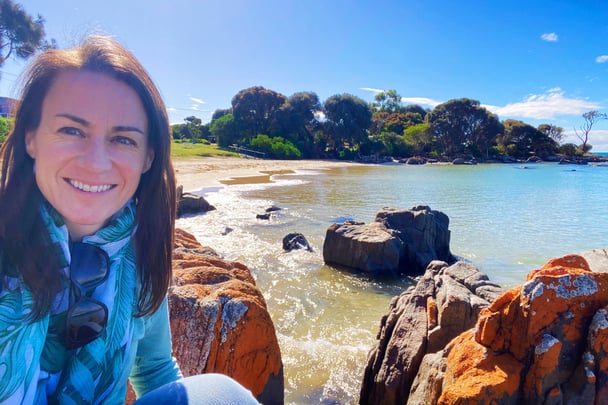
I still write about my island as a proud seventh-generation Tasmanian. I also host immersive wellness retreats through the Wild Wellness Method, a program I created, so others might avoid the decades-long detour I took.
Our retreats combine nature, movement and conversation with wellness pros. Think a medical doctor or psychologist chatting by firelight.
Guests plunging into icy waterholes, journaling beneath towering gums and breathing the cleanest air on earth. They come for a life reset and leave with a wholesome script for wellness. Later they write to say they've stopped their nightly wine or created a cold water group.
That kind of change matters.
The opposite of addiction is connection.
My recovery has been supported by beautiful connections. I found 12 months of consistent, non-judgmental care with Clean Slate Clinic.
Since 2019, I haven't set foot in rehab.
Perhaps earlier I wasn't ready. As one wise nurse said, "Have you had your last drink, Alice? If not, you're wasting our time and yours."
She was right.
Today, I'm thankful to those who believed I could break free. Dear ones who loved me throughout. With therapy, I've shifted the beliefs that drove my behaviour. When those shift, willpower isn't needed. There are no triggers or temptations. You can't crave something you no longer believe in.
Whether it's you or someone you love, don't let quiet concern stay silent. And don't let shame dampen your voice. Start the conversation.
Johann Hari said that "the opposite of addiction is connection."
This could not be more true for me.
I can't erase my alcohol-soaked chapters, but I can rewrite the ending. We are all the authors of our own lives — and what a joy that is.
Listen: Dave Hughes opens up to Mamamia about the raw reality of his "blackout" drinking, and his more recent struggles with nicotine and workaholism. Post continues below.
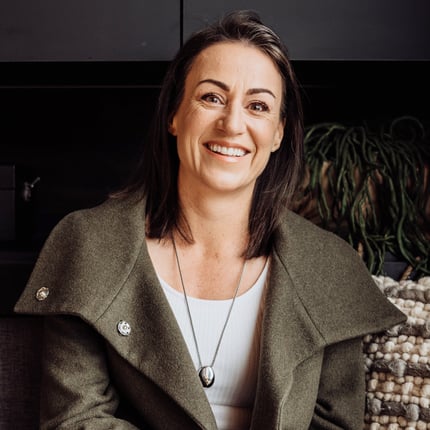
Alice Hansen is a seventh-generation Tasmanian author, journalist, travel writer and the founder of Tailored Tasmania. She is the creator of the Wild Wellness Method , a transformative program that blends nature immersion, breathwork, and cold-water therapy to foster mental and physical resilience.
If you or someone you know needs support, contact Lifeline on 13 11 14.
You can also take the Clean Slate Clinic pledge to Rewrite The Story. By signing, you commit to having care-led conversations about alcohol, with yourself and the people you love.
Feature Image: Supplied.

Sign up to Mamamia Daily
Sent daily
Alice Hansen
Author
No Comments
Be the first to leave a comment