
When one in nine people in the world are chronically undernourished, being quite this focussed on what you won’t eat can almost seem spoiled.
“I can’t eat this. I’m a vegan,” my mate said as the waiter plonked our dessert down on the table.
I had no idea what she could possibly mean: it was raw, egg-free, dairy-free chia pudding, wasn’t it?
But apparently, that dessert contained white sugar. And apparently, some white sugar is a vegan sin, because it gets its colour from a refining process involving bone char. I know this because my friend told our entire table, very loudly, as the rest of the restaurant watched on with bewilderment.
Now, I admire my friend in many ways. But as she sat there, disgruntedly awaiting a replacement dessert, a thought crossed my mind: This is getting ridiculous.
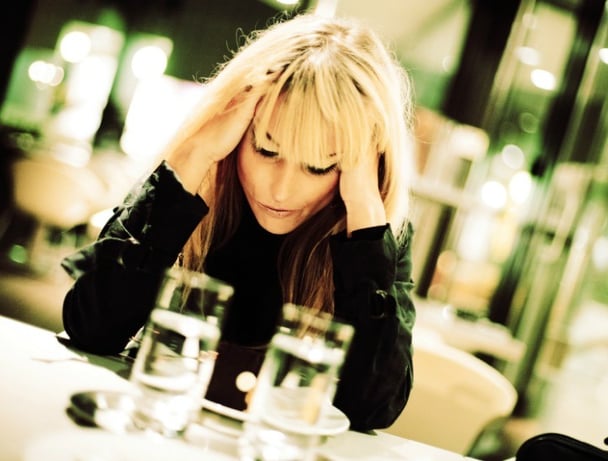
I’m hardly the first person to criticise vegans. Despite their typically benign intentions, their difficulty to cater for make them an easy (and sometimes unfair) target for the meat-eating majority. They’re also commonly mocked by chefs and caterers across the globe because, as Anthony Bourdain once put it, “being a vegan is a first-world phenomenon”.
Bourdain has a point.
Think about it: Across the world, one in nine people is chronically undernourished, according to the United Nations Food and Agriculture Organisation.
That means that to eat, a huge number of people on this planet are reliant on whatever they grow or sow themselves — so they don’t exactly have the luxury of deciding whether to eat animal products or not.
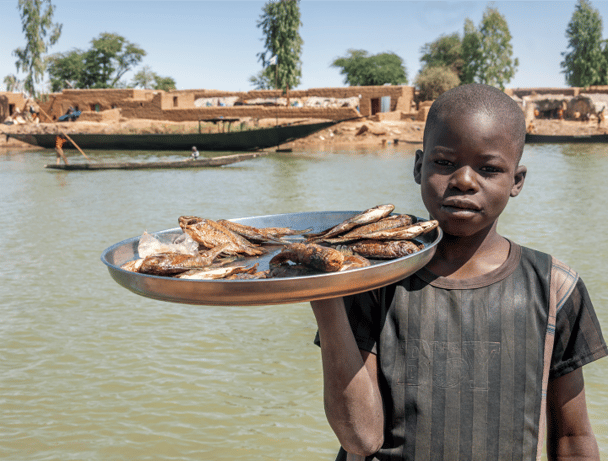
Many of those people, in fact, end up being “vegan” or “vegetarian” by default, because they can’t afford animal products. But others, who do have access to chicken, pork, egg, milk and the like, consume calories where they can, because the alternative is malnutrition. (And while faux-meats and dairy-free groceries may line the shelves of your nearest inner-city Australian organic grocery store, those products are completely unavailable in many parts of the world, known as “food deserts”.)
When you’re vegan in a developed country like Australia, the fact that you have consistent access to foods that nourish you — and can therefore choose what to put on your plate — means you have a food and class privilege that others simply do not.
Put that way, it’s a bit of a douche move to assert that it’s unethical for humans to consume animal products, right?
And don’t even get me started on those deeply offensive memes that liken factory farming to the Holocaust. Repeat after me: As soon as you use a Holocaust analogy, you lose the argument.
Some celebrities who’ve adopted a vegan lifestyle (post continues after gallery):
Vegan Celebrities
Jessica Simpson also tried to be a vegan by only eating a vegetable based diet before her wedding. Image via Instagram.
Vegan Celebrities
Queen B and Jay Z also tried Veganism for a month cleanse. But back to meat they went.
Vegan Celebrities
Jared Leto also embraces veganism in his celebrity lifestyle.
Portia (De Rossii) Degeneres
Ellen Degeneres and Portia De Rossii are both avid vegans.
Anne Hathaway
Vegan Celebrities
Bill Clinton is also a vegan, and it helped him to lose 11kgs. Image via Twitter.
Vegan Celebrities
Alicia Silverstone with her book 'The Kind Diet' that embraces veganism.

Vegan Celebrities
Isn't it 'ironic' that Alanis Morissette is a vegan? Not really we just love that song. Image via Instagram.
So here’s a message I wish my vegan friend would take on board: By all means, consider the ethics of what you’re eating. Swap out cruel farming practices for non-factory farming alternatives. Start discussions about the impact that animal agriculture has on animals and the environment. Just do it in a respectful, self-aware way.
Stop the guilting. Stop the piousness. Get some perspective. Become a little more conscious of the privilege you’re exerting by taking veganism on as “your cause”.
And remember that many of us meat-eaters have made the conscious decision to put our time and money to causes that help ensure humans have access to food. Because in our eyes, that’s more important than worrying about whether the sugar in your $23 dessert exploits animals in some roundabout way.
Do you agree?
Related content:
Author
No Comments
Be the first to leave a comment